

 CN
CN
Product Categories
--No product--




News
Utilization of Phospholipids from Different Sources in the Food Industry
Time:2025-11-19
Phospholipids are amphiphilic molecules widely used in food processing for their ability to stabilize emulsions, disperse lipids, and structure multi-phase systems. Depending on their origin, phospholipids exhibit differences in composition, interfacial behavior, and technological properties, which influence their selection and application in various food products. The main sources include plant-based, animal-based, and microbial phospholipids.
1. Plant-Based Phospholipids
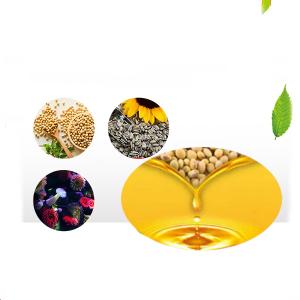
Plant-derived phospholipids are primarily obtained from soybeans, sunflower seeds, and rapeseed. These sources offer stable supply, scalability, and well-characterized processing properties.
Soy lecithin: Contains a balanced mixture of phosphatidylcholine (PC), phosphatidylethanolamine (PE), and other phospholipids, widely used in baking, chocolate, beverages, and oil-based systems.
Sunflower lecithin: Light-colored and neutral in flavor, suitable for products requiring high visual clarity or minimal color impact.
Rapeseed lecithin: Easily extracted as a byproduct of oil refining, often used in compound emulsifier blends and multi-phase food systems.
Plant phospholipids are generally compatible with a wide range of food matrices and provide consistent emulsification performance.
2. Animal-Based Phospholipids
Animal-derived phospholipids are sourced mainly from egg yolk and dairy components. They typically contain higher proportions of phosphatidylcholine and exhibit strong natural emulsifying properties.
Egg yolk lecithin: Frequently used in bakery, sauces, dressings, and high-fat emulsions where strong interfacial stability is required.
Milk-derived phospholipids: Extracted from milk fat globule membranes or whey, utilized in dairy formulations, ice cream, and fermented products due to their surface-active behavior.
Animal phospholipids often provide superior interfacial performance in complex lipid-containing systems, making them useful in specialized applications.
3. Microbial Phospholipids
Phospholipids derived from microbial sources include yeast, fungi, and bacterial fermentation. These phospholipids offer a variety of compositions and can be tailored for specific functional requirements.
Yeast-derived phospholipids: Rich in phosphatidylinositol (PI), suitable for advanced emulsion systems requiring controlled interfacial properties.
Fermentation-based phospholipids: Can be produced with designed fatty acid profiles, increasingly explored for plant-based foods, powdered formulations, and specialty emulsions.
Although currently less widely used than plant or animal sources, microbial phospholipids provide versatility and potential for customized formulations.
4. Differences in Technological Performance
The source of phospholipid affects several processing characteristics:
Fatty acid composition: Influences interfacial flexibility and dispersion.
Polar headgroup profile: Affects emulsification strength and interaction with proteins or carbohydrates.
Purity and fractionation: Determines suitability for specific processes, such as spray drying, high-shear mixing, or high-fat formulations.
Compatibility with other ingredients: Different sources interact differently with proteins, starches, and hydrocolloids, impacting stability and texture.
5. Application Areas in the Food Industry
Phospholipids from different sources are used across a wide range of food products, including:
Bakery and confectionery products
Beverages and plant-based milk alternatives
Meal-replacement powders and liquid formulations
Dairy products, ice cream, and fermented foods
Fat-containing spreads and emulsified sauces
The diversity of sources allows formulators to select phospholipids that meet specific technical requirements and processing conditions.
6. Conclusion
Phospholipids from plant, animal, and microbial sources provide a broad toolkit for the food industry, each offering distinct compositional and functional characteristics. Selection of the appropriate source depends on product type, formulation complexity, and processing requirements, enabling tailored solutions for emulsification, dispersion, and structural control in modern food applications.
1. Plant-Based Phospholipids
Plant-derived phospholipids are primarily obtained from soybeans, sunflower seeds, and rapeseed. These sources offer stable supply, scalability, and well-characterized processing properties.
Soy lecithin: Contains a balanced mixture of phosphatidylcholine (PC), phosphatidylethanolamine (PE), and other phospholipids, widely used in baking, chocolate, beverages, and oil-based systems.
Sunflower lecithin: Light-colored and neutral in flavor, suitable for products requiring high visual clarity or minimal color impact.
Rapeseed lecithin: Easily extracted as a byproduct of oil refining, often used in compound emulsifier blends and multi-phase food systems.
Plant phospholipids are generally compatible with a wide range of food matrices and provide consistent emulsification performance.
2. Animal-Based Phospholipids
Animal-derived phospholipids are sourced mainly from egg yolk and dairy components. They typically contain higher proportions of phosphatidylcholine and exhibit strong natural emulsifying properties.
Egg yolk lecithin: Frequently used in bakery, sauces, dressings, and high-fat emulsions where strong interfacial stability is required.
Milk-derived phospholipids: Extracted from milk fat globule membranes or whey, utilized in dairy formulations, ice cream, and fermented products due to their surface-active behavior.
Animal phospholipids often provide superior interfacial performance in complex lipid-containing systems, making them useful in specialized applications.
3. Microbial Phospholipids
Phospholipids derived from microbial sources include yeast, fungi, and bacterial fermentation. These phospholipids offer a variety of compositions and can be tailored for specific functional requirements.
Yeast-derived phospholipids: Rich in phosphatidylinositol (PI), suitable for advanced emulsion systems requiring controlled interfacial properties.
Fermentation-based phospholipids: Can be produced with designed fatty acid profiles, increasingly explored for plant-based foods, powdered formulations, and specialty emulsions.
Although currently less widely used than plant or animal sources, microbial phospholipids provide versatility and potential for customized formulations.
4. Differences in Technological Performance
The source of phospholipid affects several processing characteristics:
Fatty acid composition: Influences interfacial flexibility and dispersion.
Polar headgroup profile: Affects emulsification strength and interaction with proteins or carbohydrates.
Purity and fractionation: Determines suitability for specific processes, such as spray drying, high-shear mixing, or high-fat formulations.
Compatibility with other ingredients: Different sources interact differently with proteins, starches, and hydrocolloids, impacting stability and texture.
5. Application Areas in the Food Industry
Phospholipids from different sources are used across a wide range of food products, including:
Bakery and confectionery products
Beverages and plant-based milk alternatives
Meal-replacement powders and liquid formulations
Dairy products, ice cream, and fermented foods
Fat-containing spreads and emulsified sauces
The diversity of sources allows formulators to select phospholipids that meet specific technical requirements and processing conditions.
6. Conclusion
Phospholipids from plant, animal, and microbial sources provide a broad toolkit for the food industry, each offering distinct compositional and functional characteristics. Selection of the appropriate source depends on product type, formulation complexity, and processing requirements, enabling tailored solutions for emulsification, dispersion, and structural control in modern food applications.