

 CN
CN
Product Categories
--No product--

News
Study on the Emulsifying Properties of Phospholipids in Food Formulations
Time:2025-11-06
1. Introduction
Phospholipids are a class of amphiphilic molecules composed of glycerol, fatty acids, phosphate groups, and nitrogen-containing bases. Their unique molecular structure endows them with both hydrophilic and lipophilic properties, making them natural surface-active substances. In food formulations, phospholipids play a crucial role in the formation and stabilization of emulsions, contributing to product texture, appearance, and processing behavior. With the growing demand for natural and multifunctional ingredients, research on the emulsifying properties of phospholipids has attracted increasing attention.
2. Structural Characteristics and Emulsification Mechanism
The molecular structure of phospholipids allows them to spontaneously orient at the oil–water interface, where the hydrophilic head interacts with water and the hydrophobic tails interact with oil. This arrangement reduces interfacial tension and forms a stable interfacial film around dispersed oil droplets.
Common phospholipid types such as phosphatidylcholine (PC) and phosphatidylethanolamine (PE) differ in polarity and molecular geometry, resulting in distinct emulsification behaviors. The stability of phospholipid-based emulsions depends on factors such as molecular composition, degree of unsaturation, and the presence of synergistic components like proteins or polysaccharides.
3. Applications in Food Formulations
Phospholipids are widely used as emulsifying components across various food categories:
Dairy and Plant-Based Beverages: Assist in stabilizing oil-in-water systems containing proteins and lipids.
Sauces and Dressings: Help maintain dispersion uniformity and improve viscosity control.
Bakery and Confectionery Products: Promote even fat distribution and improve mixing performance.
Frozen and Ready-to-Eat Foods: Support phase stability during freezing, thawing, and reheating processes.
Their natural origin and multifunctional characteristics make them compatible with the clean-label trend in modern food formulation.
4. Factors Influencing Emulsifying Performance
The emulsification efficiency of phospholipids is influenced by several parameters:
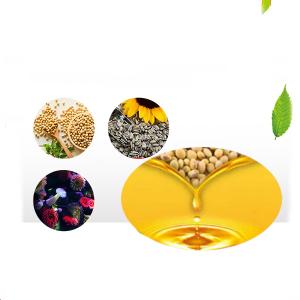
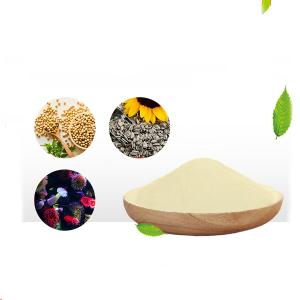
Source and Purity: Phospholipids derived from soybeans, egg yolks, or sunflower seeds show differences in composition and functionality.
Molecular Composition: The ratio of saturated to unsaturated fatty acids affects interfacial film strength and droplet stability.
Environmental Conditions: pH, ionic strength, and temperature alter phospholipid charge distribution and interfacial behavior.
Synergistic Interactions: Blending phospholipids with proteins or polysaccharides can enhance emulsifying stability and improve rheological characteristics.
5. Recent Research and Technological Development
Current studies on phospholipid emulsification have expanded toward structural modification and multi-component system design:
Enzymatic or Physical Modification: Tailoring phospholipid molecular structures to improve solubility and emulsification efficiency.
Composite Emulsion Systems: Combining phospholipids with biopolymers to enhance stability and control droplet size distribution.
Interfacial Characterization Techniques: Employing dynamic light scattering, interfacial rheology, and microscopy to analyze molecular adsorption and film formation.
These approaches provide a deeper understanding of the interfacial mechanisms underlying phospholipid emulsification in complex food matrices.
6. Conclusion
Research on the emulsifying properties of phospholipids in food formulations highlights their significant potential as natural and versatile ingredients. Their ability to form stable oil–water interfaces and interact synergistically with other food macromolecules makes them valuable in modern food design. Continued study of molecular behavior, environmental adaptability, and composite system optimization will further advance the practical application of phospholipids in diverse food formulations.
Phospholipids are a class of amphiphilic molecules composed of glycerol, fatty acids, phosphate groups, and nitrogen-containing bases. Their unique molecular structure endows them with both hydrophilic and lipophilic properties, making them natural surface-active substances. In food formulations, phospholipids play a crucial role in the formation and stabilization of emulsions, contributing to product texture, appearance, and processing behavior. With the growing demand for natural and multifunctional ingredients, research on the emulsifying properties of phospholipids has attracted increasing attention.
2. Structural Characteristics and Emulsification Mechanism
The molecular structure of phospholipids allows them to spontaneously orient at the oil–water interface, where the hydrophilic head interacts with water and the hydrophobic tails interact with oil. This arrangement reduces interfacial tension and forms a stable interfacial film around dispersed oil droplets.
Common phospholipid types such as phosphatidylcholine (PC) and phosphatidylethanolamine (PE) differ in polarity and molecular geometry, resulting in distinct emulsification behaviors. The stability of phospholipid-based emulsions depends on factors such as molecular composition, degree of unsaturation, and the presence of synergistic components like proteins or polysaccharides.
3. Applications in Food Formulations
Phospholipids are widely used as emulsifying components across various food categories:
Dairy and Plant-Based Beverages: Assist in stabilizing oil-in-water systems containing proteins and lipids.
Sauces and Dressings: Help maintain dispersion uniformity and improve viscosity control.
Bakery and Confectionery Products: Promote even fat distribution and improve mixing performance.
Frozen and Ready-to-Eat Foods: Support phase stability during freezing, thawing, and reheating processes.
Their natural origin and multifunctional characteristics make them compatible with the clean-label trend in modern food formulation.
4. Factors Influencing Emulsifying Performance
The emulsification efficiency of phospholipids is influenced by several parameters:
Source and Purity: Phospholipids derived from soybeans, egg yolks, or sunflower seeds show differences in composition and functionality.
Molecular Composition: The ratio of saturated to unsaturated fatty acids affects interfacial film strength and droplet stability.
Environmental Conditions: pH, ionic strength, and temperature alter phospholipid charge distribution and interfacial behavior.
Synergistic Interactions: Blending phospholipids with proteins or polysaccharides can enhance emulsifying stability and improve rheological characteristics.
5. Recent Research and Technological Development
Current studies on phospholipid emulsification have expanded toward structural modification and multi-component system design:
Enzymatic or Physical Modification: Tailoring phospholipid molecular structures to improve solubility and emulsification efficiency.
Composite Emulsion Systems: Combining phospholipids with biopolymers to enhance stability and control droplet size distribution.
Interfacial Characterization Techniques: Employing dynamic light scattering, interfacial rheology, and microscopy to analyze molecular adsorption and film formation.
These approaches provide a deeper understanding of the interfacial mechanisms underlying phospholipid emulsification in complex food matrices.
6. Conclusion
Research on the emulsifying properties of phospholipids in food formulations highlights their significant potential as natural and versatile ingredients. Their ability to form stable oil–water interfaces and interact synergistically with other food macromolecules makes them valuable in modern food design. Continued study of molecular behavior, environmental adaptability, and composite system optimization will further advance the practical application of phospholipids in diverse food formulations.