

 CN
CN
Role of Phospholipids in Gut Health
Time:2025-08-18Phospholipids are amphiphilic lipid molecules widely found in animal and plant cells. Their unique chemical structure, which includes hydrophilic head groups and hydrophobic fatty acid tails, enables self-assembly into bilayers and micelles. This structural versatility makes phospholipids important components in food, beverage, and pharmaceutical formulations, particularly in systems related to the gastrointestinal tract.
Physicochemical Properties of Phospholipids
Amphiphilic Structure: The hydrophilic phosphate-containing head and hydrophobic tails allow phospholipids to form stable bilayers, liposomes, and micelles in aqueous environments.
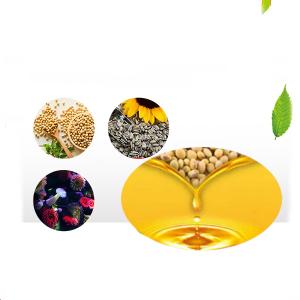
Source Diversity: Common sources include soy lecithin, egg lecithin, and sunflower lecithin. These sources provide consistent quality for industrial applications.
Processing Stability: Phospholipids are sensitive to oxidation and hydrolysis; processing methods must account for temperature, light, and oxygen exposure.
Phospholipids in the Gastrointestinal Environment
Emulsification
Phospholipids reduce interfacial tension between water and lipids, creating stable emulsions. This property aids in dispersing dietary lipids and other hydrophobic components within the gastrointestinal tract.
Formation of Lipid Microstructures
In aqueous environments, phospholipids can self-assemble into liposomes, micelles, or lamellar structures. These microstructures influence the distribution, stability, and interaction of compounds in the gut.
Membrane-Like Behavior
Phospholipid bilayers mimic cellular membranes and can be used in vitro to model intestinal barrier interactions, including nutrient transport and molecular adsorption.
Applications in Gut-Related Systems
Food Emulsifiers: Phospholipids stabilize fat-containing food products, ensuring consistent dispersion and texture.
Nano- and Microcarriers: Liposomes and micelles constructed from phospholipids can encapsulate sensitive ingredients, improving their stability in gastrointestinal conditions.
Microencapsulation: Phospholipids combined with polymers form microcapsules, enhancing the physical stability of encapsulated compounds in the gut environment.
Research and Development Directions
Structural Optimization
Modifying fatty acid chain length, saturation, and head group type allows tailoring phospholipids for specific gut environments and formulations.
Composite Systems
Combining phospholipids with proteins or polysaccharides can create hybrid colloidal systems with enhanced stability and functionality.
Modeling Studies
In vitro gut models and membrane simulations are used to study phospholipid behavior, guiding the development of food and pharmaceutical products.
Conclusion
Phospholipids play a critical role in gastrointestinal systems due to their amphiphilic structure and self-assembly properties. They support emulsification, microstructure formation, and membrane-mimicking functions in gut environments. Through further research into structural characteristics and interactions within the gut, phospholipids offer wide potential for applications in food science, pharmaceuticals, and delivery systems.