

 CN
CN
Product Categories
--No product--

News
Research Progress on Phospholipids in Plant Oil Emulsion Systems
Time:2025-11-17
Phospholipids have become a key focus in studies concerning plant oil–based emulsion systems due to their amphiphilic molecular structure and versatile interfacial behaviors. As plant-derived oils are increasingly used in food, nutrition, and formulation science, researchers continue to investigate how phospholipids contribute to interfacial structuring, droplet organization, and processing adaptability. Current research combines structural characterization, interface analysis, and multi-component interaction studies to build a more comprehensive understanding of their roles in emulsion design.
1. Structural Characteristics and Interfacial Behavior
Phospholipids contain a hydrophilic headgroup and hydrophobic fatty-acid chains, enabling them to arrange at oil–water interfaces in an ordered manner. Research has focused on:
The effects of headgroup type on adsorption behavior
Fatty-acid composition influences on molecular packing
Interfacial film formation and its structural variability
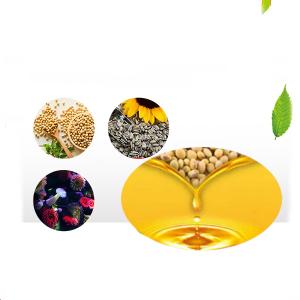
Differences among plant-derived phospholipids—such as those from soy, sunflower, or rapeseed—provide researchers with diverse molecular templates for comparative studies.
2. Construction of Interfacial Structures in Plant Oil Emulsions
When used in plant-oil emulsions, phospholipids participate in forming structural layers around dispersed oil droplets. Recent studies examine:
Multi-layered arrangements formed by phospholipids and co-emulsifiers
The impact of molecular ratios on droplet morphology
The relationship between adsorption dynamics and droplet size distribution
These investigations support the development of emulsion systems with more predictable structural characteristics.
3. Effects of Processing Conditions
Processing parameters play a major role in determining how phospholipids organize at the interface. Research highlights:
High-pressure homogenization and its influence on adsorption kinetics
Shear-dependent rearrangements at the oil–water interface
Thermal processing and its effects on phospholipid molecular orientation
Combining interface observation tools with controlled processing conditions allows researchers to create detailed processing–structure relationships.
4. Multi-Component Interactions in Complex Systems
Plant oil emulsions often contain proteins, mono- and diglycerides, sugars, salts, and other formulation components. Studies explore how phospholipids interact with these substances, focusing on:
Competitive adsorption between phospholipids and proteins
Co-assembly behaviors with low-molecular emulsifiers
Variations in interfacial distribution in mixed-component systems
Such findings contribute to a deeper understanding of multi-layered interface formation within realistic plant-oil matrices.
5. Advances in Analytical and Characterization Techniques
Modern analytical tools have significantly improved the ability to study phospholipid behaviors. Common techniques include:
Cryo-electron microscopy for microstructure observation
Interfacial rheology for assessing membrane characteristics
NMR and FTIR spectroscopy for probing molecular states
Particle-size analysis for monitoring droplet structural evolution
These technologies enable more precise evaluation of phospholipid arrangement, orientation, and stability within emulsion systems.
6. Emerging Research Directions
Recent and future research trends involve:
Multi-scale modeling of interface formation mechanisms
Comparative studies of phospholipids from various botanical sources
Investigation of dynamic interfacial transitions during processing
Exploration of phospholipid behavior in novel plant-oil matrices
Continued progress in these areas is expected to advance understanding of phospholipid functionality in plant oil emulsion design and provide reference data for formulation development.
1. Structural Characteristics and Interfacial Behavior
Phospholipids contain a hydrophilic headgroup and hydrophobic fatty-acid chains, enabling them to arrange at oil–water interfaces in an ordered manner. Research has focused on:
The effects of headgroup type on adsorption behavior
Fatty-acid composition influences on molecular packing
Interfacial film formation and its structural variability
Differences among plant-derived phospholipids—such as those from soy, sunflower, or rapeseed—provide researchers with diverse molecular templates for comparative studies.
2. Construction of Interfacial Structures in Plant Oil Emulsions
When used in plant-oil emulsions, phospholipids participate in forming structural layers around dispersed oil droplets. Recent studies examine:
Multi-layered arrangements formed by phospholipids and co-emulsifiers
The impact of molecular ratios on droplet morphology
The relationship between adsorption dynamics and droplet size distribution
These investigations support the development of emulsion systems with more predictable structural characteristics.
3. Effects of Processing Conditions
Processing parameters play a major role in determining how phospholipids organize at the interface. Research highlights:
High-pressure homogenization and its influence on adsorption kinetics
Shear-dependent rearrangements at the oil–water interface
Thermal processing and its effects on phospholipid molecular orientation
Combining interface observation tools with controlled processing conditions allows researchers to create detailed processing–structure relationships.
4. Multi-Component Interactions in Complex Systems
Plant oil emulsions often contain proteins, mono- and diglycerides, sugars, salts, and other formulation components. Studies explore how phospholipids interact with these substances, focusing on:
Competitive adsorption between phospholipids and proteins
Co-assembly behaviors with low-molecular emulsifiers
Variations in interfacial distribution in mixed-component systems
Such findings contribute to a deeper understanding of multi-layered interface formation within realistic plant-oil matrices.
5. Advances in Analytical and Characterization Techniques
Modern analytical tools have significantly improved the ability to study phospholipid behaviors. Common techniques include:
Cryo-electron microscopy for microstructure observation
Interfacial rheology for assessing membrane characteristics
NMR and FTIR spectroscopy for probing molecular states
Particle-size analysis for monitoring droplet structural evolution
These technologies enable more precise evaluation of phospholipid arrangement, orientation, and stability within emulsion systems.
6. Emerging Research Directions
Recent and future research trends involve:
Multi-scale modeling of interface formation mechanisms
Comparative studies of phospholipids from various botanical sources
Investigation of dynamic interfacial transitions during processing
Exploration of phospholipid behavior in novel plant-oil matrices
Continued progress in these areas is expected to advance understanding of phospholipid functionality in plant oil emulsion design and provide reference data for formulation development.