

 CN
CN
Product Categories
--No product--

News
Research on Phospholipids in Emulsion Systems for Milk Powder Processing
Time:2025-11-24
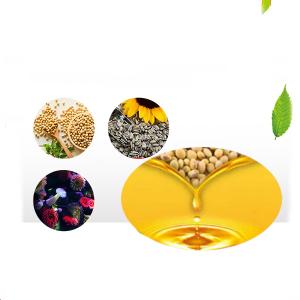
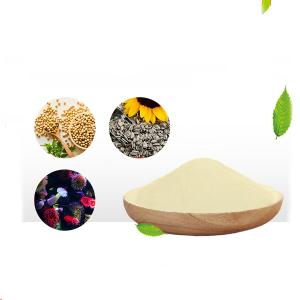
Phospholipids are amphiphilic molecules commonly derived from sources such as soy lecithin, egg yolk, or milk fat. In milk powder processing, they are frequently incorporated to stabilize oil–water dispersions and facilitate uniform droplet formation. Their unique interfacial properties make them an important component in studies of emulsion stability, spray drying, and reconstitution performance in milk powder systems.
Role in Emulsion Formation
In the liquid stage of milk powder production, phospholipids align at the oil–water interface, creating interfacial films that reduce surface tension and improve droplet dispersibility. This facilitates homogenization, resulting in smaller and more uniform fat globules. Different phospholipid sources and purities can influence droplet size, interface thickness, and overall emulsion stability.
Interactions with Milk Proteins
Milk powders contain proteins such as casein and whey proteins, which interact with phospholipids in emulsion systems. Research focuses on:
Formation of protein–phospholipid composite interfaces
Stability of emulsions under heat treatment conditions
Distribution and encapsulation of lipids during homogenization
These interactions are key factors in achieving desirable particle size distribution and structural characteristics during subsequent drying processes.
Spray Drying and Powder Structure
During spray drying, phospholipids contribute to the distribution of fat within powder particles and the formation of surface layers. Studies investigate:
Migration behavior of phospholipids during droplet evaporation
Encapsulation of lipid droplets within protein matrices
Effects of drying parameters on particle morphology and surface composition
These aspects are critical for optimizing powder flowability, solubility, and storage stability.
Reconstitution and Dispersion Properties
Upon reconstitution, phospholipid-containing milk powders influence droplet dispersion and suspension behavior. Research explores:
Droplet size distribution and interface reformation during rehydration
Effect of water temperature and stirring conditions on dispersion
Influence of phospholipid concentration and composition on uniformity
These properties are important for standardizing powder performance in manufacturing and consumer use.
Processing Parameters and Influencing Factors
The behavior of phospholipids in milk powder systems is affected by:
Homogenization pressure and cycles
Heat treatment conditions such as pasteurization or UHT
Ionic strength, pH, and protein-to-lipid ratio
Source and purity of phospholipids
Optimizing these factors ensures structural stability and uniformity throughout production.
Research Trends and Future Directions
Current research in milk powder processing focuses on:
Plant-based phospholipids and sustainable sourcing
Nano- or micro-scale characterization of droplet structure
Digital modeling of emulsions and process simulation
Integration of phospholipids in low-fat or modified-fat powders
These trends aim to expand the technical applications of phospholipids in powder formulation and processing innovation.
Conclusion
Phospholipids play a critical role in the emulsion systems of milk powder processing. By stabilizing droplets, interacting with proteins, and influencing spray-dried particle structure, they contribute to overall process efficiency and powder quality. Ongoing research continues to refine understanding of their behavior and optimize milk powder manufacturing practices.
Role in Emulsion Formation
In the liquid stage of milk powder production, phospholipids align at the oil–water interface, creating interfacial films that reduce surface tension and improve droplet dispersibility. This facilitates homogenization, resulting in smaller and more uniform fat globules. Different phospholipid sources and purities can influence droplet size, interface thickness, and overall emulsion stability.
Interactions with Milk Proteins
Milk powders contain proteins such as casein and whey proteins, which interact with phospholipids in emulsion systems. Research focuses on:
Formation of protein–phospholipid composite interfaces
Stability of emulsions under heat treatment conditions
Distribution and encapsulation of lipids during homogenization
These interactions are key factors in achieving desirable particle size distribution and structural characteristics during subsequent drying processes.
Spray Drying and Powder Structure
During spray drying, phospholipids contribute to the distribution of fat within powder particles and the formation of surface layers. Studies investigate:
Migration behavior of phospholipids during droplet evaporation
Encapsulation of lipid droplets within protein matrices
Effects of drying parameters on particle morphology and surface composition
These aspects are critical for optimizing powder flowability, solubility, and storage stability.
Reconstitution and Dispersion Properties
Upon reconstitution, phospholipid-containing milk powders influence droplet dispersion and suspension behavior. Research explores:
Droplet size distribution and interface reformation during rehydration
Effect of water temperature and stirring conditions on dispersion
Influence of phospholipid concentration and composition on uniformity
These properties are important for standardizing powder performance in manufacturing and consumer use.
Processing Parameters and Influencing Factors
The behavior of phospholipids in milk powder systems is affected by:
Homogenization pressure and cycles
Heat treatment conditions such as pasteurization or UHT
Ionic strength, pH, and protein-to-lipid ratio
Source and purity of phospholipids
Optimizing these factors ensures structural stability and uniformity throughout production.
Research Trends and Future Directions
Current research in milk powder processing focuses on:
Plant-based phospholipids and sustainable sourcing
Nano- or micro-scale characterization of droplet structure
Digital modeling of emulsions and process simulation
Integration of phospholipids in low-fat or modified-fat powders
These trends aim to expand the technical applications of phospholipids in powder formulation and processing innovation.
Conclusion
Phospholipids play a critical role in the emulsion systems of milk powder processing. By stabilizing droplets, interacting with proteins, and influencing spray-dried particle structure, they contribute to overall process efficiency and powder quality. Ongoing research continues to refine understanding of their behavior and optimize milk powder manufacturing practices.