

 CN
CN




Physical States of Phospholipids
Time:2025-05-19Phospholipids are essential amphiphilic molecules composed of hydrophilic (water-attracting) phosphate head groups and hydrophobic (water-repelling) fatty acid tails. This unique molecular structure gives phospholipids distinctive physical properties that play a crucial role in biological membranes as well as various industrial applications.
Molecular Structure and Physical Properties
Phospholipids typically consist of a glycerol backbone linked to two fatty acid chains and a phosphate-containing polar head group. The fatty acid tails can vary in length and degree of saturation, which significantly influences the physical state of the phospholipid.
Solid, Gel, and Liquid-Crystalline Phases
At room temperature, phospholipids may exist in different physical states depending on their chemical composition:
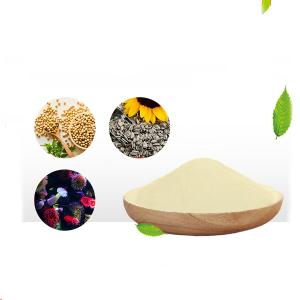
Solid (Crystalline) State: Phospholipids with saturated fatty acid chains tend to be solid or waxy at room temperature. Their tightly packed tails form highly ordered crystalline structures.
Gel Phase: As temperature increases, phospholipids transition into a gel phase, where the molecules are still ordered but have more molecular motion than in the crystalline state.
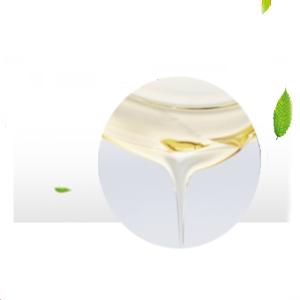
Liquid-Crystalline Phase: Above a certain temperature (known as the phase transition temperature), phospholipids enter the liquid-crystalline phase. In this state, the fatty acid chains become more disordered and fluid, while the polar head groups remain hydrated and organized. This phase is important for membrane fluidity and function.
Phase Transition Temperature
The phase transition temperature varies depending on the fatty acid chain length and saturation level. Longer and more saturated chains generally raise the transition temperature, making the phospholipid more solid-like at physiological temperatures. Conversely, unsaturated chains lower the transition temperature, enhancing membrane fluidity.
Behavior in Aqueous Environments
When dispersed in water, phospholipids spontaneously self-assemble into structures such as micelles, liposomes, or bilayers due to the hydrophobic effect. These self-assembled structures exhibit unique physical properties and are critical in forming biological membranes and drug delivery systems.
Conclusion
The physical state of phospholipids—ranging from solid to liquid-crystalline phases—is determined by their molecular composition and environmental conditions such as temperature. Understanding these states is essential for exploring phospholipid functionality in biological systems and their applications in pharmaceuticals, food science, and materials engineering.