

 CN
CN
Product Categories
--No product--





News
Phospholipids in the Regulation of Fat Accumulation
Time:2025-10-20
1. Introduction
Phospholipids are amphiphilic molecules composed of glycerol, fatty acids, phosphate groups, and nitrogen-containing head groups. They are essential components of cellular membranes and play significant roles in lipid transport and metabolism. In recent years, research has focused on how phospholipids interact with lipid metabolism pathways to influence the distribution and storage of fats within cells.
2. Types and Sources of Phospholipids
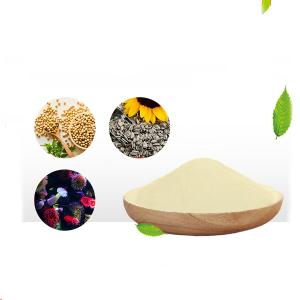
Common phospholipids include phosphatidylcholine (PC), phosphatidylethanolamine (PE), phosphatidylinositol (PI), and sphingomyelin (SM). These molecules are widely found in animal and plant tissues, such as egg yolk, soybeans, and marine organisms. Their amphiphilic structure allows them to integrate into cellular membranes and lipoprotein systems, influencing lipid transport and structural organization.
3. Phospholipids and Lipid Transport
Phospholipids are critical components of lipoproteins, such as very low-density lipoproteins (VLDL) and high-density lipoproteins (HDL), which transport lipids throughout the body. By contributing to lipoprotein structure, phospholipids facilitate the movement of triglycerides and cholesterol, influencing how lipids are distributed between tissues. This transport function is essential for maintaining lipid balance and preventing excessive fat accumulation in cells.
4. Influence on Lipid Droplet Formation
Within cells, phospholipids are involved in the formation and stabilization of lipid droplets, the organelles responsible for intracellular fat storage. The phospholipid monolayer surrounding lipid droplets interacts with associated proteins to regulate lipid packaging and mobilization. Variations in phospholipid composition can affect droplet size, stability, and accessibility, thereby influencing the storage and utilization of fats.
5. Phospholipid-Derived Signaling Molecules
Phospholipid metabolism produces signaling intermediates such as diacylglycerol (DAG), phosphatidic acid (PA), and lysophospholipids. These molecules can modulate the activity of enzymes involved in lipid synthesis, breakdown, and transport. Through these pathways, phospholipids contribute to the cellular regulation of fat accumulation, linking membrane composition with intracellular lipid homeostasis.
6. Applications in Research and Food Science
Phospholipids are widely used in experimental models to study lipid metabolism and fat accumulation. In food science, they serve as emulsifiers and lipid carriers, allowing researchers to investigate lipid bioavailability and intracellular processing. These studies help elucidate the role of phospholipids in maintaining lipid balance within biological systems.
7. Conclusion
Phospholipids play multifaceted roles in the regulation of fat accumulation. Through their involvement in lipoprotein formation, lipid droplet stabilization, and signaling pathways, they influence how fats are transported, stored, and metabolized within cells. Understanding these mechanisms provides valuable insights into lipid homeostasis and the molecular basis of fat regulation in biological systems.
Phospholipids are amphiphilic molecules composed of glycerol, fatty acids, phosphate groups, and nitrogen-containing head groups. They are essential components of cellular membranes and play significant roles in lipid transport and metabolism. In recent years, research has focused on how phospholipids interact with lipid metabolism pathways to influence the distribution and storage of fats within cells.
2. Types and Sources of Phospholipids
Common phospholipids include phosphatidylcholine (PC), phosphatidylethanolamine (PE), phosphatidylinositol (PI), and sphingomyelin (SM). These molecules are widely found in animal and plant tissues, such as egg yolk, soybeans, and marine organisms. Their amphiphilic structure allows them to integrate into cellular membranes and lipoprotein systems, influencing lipid transport and structural organization.
3. Phospholipids and Lipid Transport
Phospholipids are critical components of lipoproteins, such as very low-density lipoproteins (VLDL) and high-density lipoproteins (HDL), which transport lipids throughout the body. By contributing to lipoprotein structure, phospholipids facilitate the movement of triglycerides and cholesterol, influencing how lipids are distributed between tissues. This transport function is essential for maintaining lipid balance and preventing excessive fat accumulation in cells.
4. Influence on Lipid Droplet Formation
Within cells, phospholipids are involved in the formation and stabilization of lipid droplets, the organelles responsible for intracellular fat storage. The phospholipid monolayer surrounding lipid droplets interacts with associated proteins to regulate lipid packaging and mobilization. Variations in phospholipid composition can affect droplet size, stability, and accessibility, thereby influencing the storage and utilization of fats.
5. Phospholipid-Derived Signaling Molecules
Phospholipid metabolism produces signaling intermediates such as diacylglycerol (DAG), phosphatidic acid (PA), and lysophospholipids. These molecules can modulate the activity of enzymes involved in lipid synthesis, breakdown, and transport. Through these pathways, phospholipids contribute to the cellular regulation of fat accumulation, linking membrane composition with intracellular lipid homeostasis.
6. Applications in Research and Food Science
Phospholipids are widely used in experimental models to study lipid metabolism and fat accumulation. In food science, they serve as emulsifiers and lipid carriers, allowing researchers to investigate lipid bioavailability and intracellular processing. These studies help elucidate the role of phospholipids in maintaining lipid balance within biological systems.
7. Conclusion
Phospholipids play multifaceted roles in the regulation of fat accumulation. Through their involvement in lipoprotein formation, lipid droplet stabilization, and signaling pathways, they influence how fats are transported, stored, and metabolized within cells. Understanding these mechanisms provides valuable insights into lipid homeostasis and the molecular basis of fat regulation in biological systems.