

 CN
CN
Product Categories
--No product--


News
Optimization of Phospholipids in Functional Beverage Emulsion Systems
Time:2025-12-05
Functional beverages often contain oil-soluble ingredients such as flavor compounds, colorants, and lipid-based additives. Creating a stable emulsion system is essential to maintain uniformity, appearance, and processing consistency. Phospholipids, due to their amphiphilic molecular structure, play a key role in optimizing these emulsion systems by stabilizing oil–water interfaces and improving dispersibility.
Structural Features of Phospholipids
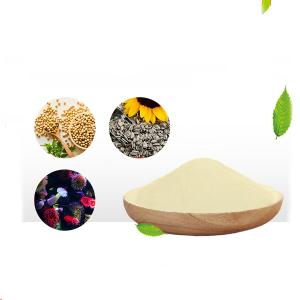
Phospholipids consist of hydrophilic head groups and hydrophobic fatty acid tails, which allows them to position effectively at the oil–water interface. Their properties, including solubility, interfacial activity, and thermal stability, vary depending on source and composition. Common sources include soy lecithin, sunflower lecithin, and egg-derived phospholipids, each presenting unique emulsification behavior in beverage formulations.
Role in Functional Beverage Emulsions
In beverage systems, phospholipids contribute to:
Oil droplet dispersion: Facilitating uniform distribution of oil-soluble ingredients throughout the aqueous phase.
Interface layer formation: Creating a structured boundary that supports additional stabilizers such as proteins or polysaccharides.
Synergistic interactions: Enhancing the compatibility of emulsifiers, hydrocolloids, and other formulation components to improve overall system stability.
Emulsion System Optimization Factors
1. Phospholipid Concentration
The amount of phospholipid affects droplet size, uniformity, and viscosity. Low levels may result in incomplete interface coverage, while excessive phospholipids can increase viscosity or cloudiness. Optimization studies identify the concentration range that balances emulsification efficiency and processing properties.
2. Processing Conditions
Critical process parameters include:
Shear rate and mixing time: Influence droplet breakup and distribution.
Temperature: Affects solubility and mobility of phospholipids.
Phase addition sequence: Determines initial interface formation and influences final emulsion stability.
3. Compatibility with Other Ingredients
Functional beverages often include proteins, polysaccharides, or fibers that interact with phospholipids at the interface. Proper selection and ratio of these components are essential to prevent aggregation, phase separation, or sedimentation during processing and storage.
4. Stability Under Thermal and Storage Conditions
Phospholipid-based emulsions must maintain structural integrity under pasteurization or other heat treatments. The choice of phospholipid type, concentration, and combined stabilizers influences droplet coalescence, viscosity, and shelf-life characteristics.
Conclusion
Phospholipids serve as essential emulsifiers in functional beverage systems, providing interface stability and promoting uniform dispersibility of oil-soluble ingredients. Process optimization—through careful adjustment of concentration, processing parameters, and formulation compatibility—enhances the robustness and consistency of emulsion systems, supporting efficient production and product quality.
Structural Features of Phospholipids
Phospholipids consist of hydrophilic head groups and hydrophobic fatty acid tails, which allows them to position effectively at the oil–water interface. Their properties, including solubility, interfacial activity, and thermal stability, vary depending on source and composition. Common sources include soy lecithin, sunflower lecithin, and egg-derived phospholipids, each presenting unique emulsification behavior in beverage formulations.
Role in Functional Beverage Emulsions
In beverage systems, phospholipids contribute to:
Oil droplet dispersion: Facilitating uniform distribution of oil-soluble ingredients throughout the aqueous phase.
Interface layer formation: Creating a structured boundary that supports additional stabilizers such as proteins or polysaccharides.
Synergistic interactions: Enhancing the compatibility of emulsifiers, hydrocolloids, and other formulation components to improve overall system stability.
Emulsion System Optimization Factors
1. Phospholipid Concentration
The amount of phospholipid affects droplet size, uniformity, and viscosity. Low levels may result in incomplete interface coverage, while excessive phospholipids can increase viscosity or cloudiness. Optimization studies identify the concentration range that balances emulsification efficiency and processing properties.
2. Processing Conditions
Critical process parameters include:
Shear rate and mixing time: Influence droplet breakup and distribution.
Temperature: Affects solubility and mobility of phospholipids.
Phase addition sequence: Determines initial interface formation and influences final emulsion stability.
3. Compatibility with Other Ingredients
Functional beverages often include proteins, polysaccharides, or fibers that interact with phospholipids at the interface. Proper selection and ratio of these components are essential to prevent aggregation, phase separation, or sedimentation during processing and storage.
4. Stability Under Thermal and Storage Conditions
Phospholipid-based emulsions must maintain structural integrity under pasteurization or other heat treatments. The choice of phospholipid type, concentration, and combined stabilizers influences droplet coalescence, viscosity, and shelf-life characteristics.
Conclusion
Phospholipids serve as essential emulsifiers in functional beverage systems, providing interface stability and promoting uniform dispersibility of oil-soluble ingredients. Process optimization—through careful adjustment of concentration, processing parameters, and formulation compatibility—enhances the robustness and consistency of emulsion systems, supporting efficient production and product quality.