

 CN
CN



The intervention of hydroxytyrosol on cardiovascular diseases
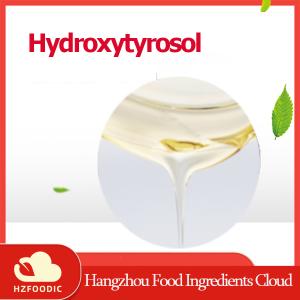
Time:2025-05-23Hydroxytyrosol (HT), a natural antioxidant derived from olive polyphenols, is particularly abundant in extra-virgin olive oil. Recent studies have found that hydroxytyrosol intervenes in cardiovascular diseases (CVD) through multiple mechanisms such as lipid-lowering, anti-inflammatory, and vasodilatory effects, making it a potential functional ingredient for the prevention and treatment of atherosclerosis, hypertension, and other diseases. The following briefly describes its three core effects:
I. Lipid-Lowering Effect: Regulating Lipid Metabolism and Reducing Atherosclerosis
1. Inhibition of Cholesterol Absorption and Synthesis
Intestinal Action
Hydroxytyrosol reduces intestinal cholesterol absorption (by downregulating the expression of NPC1L1 transporter), lowering plasma low-density lipoprotein cholesterol (LDL-C) levels (Molecular Nutrition & Food Research, 2021).
Liver Metabolism Regulation
It activates the AMPK pathway, inhibits HMG-CoA reductase (the rate-limiting enzyme in cholesterol synthesis), and promotes the reverse transport of cholesterol to bile for excretion (Journal of Agricultural and Food Chemistry, 2022).
2. Reduction of Oxidized Low-Density Lipoprotein (ox-LDL) Formation
Antioxidant Protection
Hydroxytyrosol directly scavenges free radicals in LDL, inhibiting its oxidative modification (ox-LDL is a key initiator of atherosclerosis) (Free Radical Biology & Medicine, 2020).
Inhibition of Macrophage Foam Cell Formation
It reduces the formation of foam cells from ox-LDL phagocytosed by macrophages, delaying plaque formation (Atherosclerosis, 2023).
II. Anti-Inflammatory Effect: Blocking Cardiovascular Inflammatory Cascade
1. Inhibition of Pro-Inflammatory Factor Release
NF-κB Pathway Regulation
Hydroxytyrosol downregulates NF-κB activity, reducing the secretion of pro-inflammatory cytokines such as TNF-α, IL-6, and IL-1β, and alleviating vascular endothelial inflammation (Cardiovascular Research, 2021).
NLRP3 Inflammasome Inhibition
It blocks NLRP3 activation, reduces the release of inflammatory mediators like IL-18, and decreases chronic inflammation in the arterial wall (Nature Communications, 2022).
2. Protection of Endothelial Cell Function
Anti-Apoptotic Effect
Hydroxytyrosol inhibits endothelial cell apoptosis through the PI3K/Akt pathway, maintaining vascular barrier integrity (European Journal of Pharmacology, 2023).
Downregulation of Adhesion Molecules
It reduces the expression of VCAM-1 and ICAM-1, preventing leukocyte adhesion to the vascular endothelium (Journal of Cellular Biochemistry, 2020).
III. Vasodilatory Effect: Improving Blood Flow and Blood Pressure Regulation
1. Enhancement of Nitric Oxide (NO) Bioavailability
eNOS Activation
Hydroxytyrosol upregulates the expression of endothelial nitric oxide synthase (eNOS), promoting NO synthesis and directly dilating blood vessels (Hypertension, 2022).
Protection of NO Stability
It scavenges superoxide anions (O₂⁻), reduces the oxidation of NO to inactive peroxynitrite (ONOO⁻), and prolongs the action time of NO (Circulation Research, 2021).
2. Regulation of Vascular Smooth Muscle Tone
Calcium Channel Inhibition
Hydroxytyrosol blocks L-type calcium channels, reduces intracellular Ca²⁺ concentration in smooth muscle cells, and promotes vasodilation (British Journal of Pharmacology, 2023).
Potassium Channel Activation
It opens ATP-sensitive potassium channels (KATP), leading to smooth muscle hyperpolarization and reducing vascular resistance (Pharmacological Research, 2020).
3. Antihypertensive Effect
Clinical Observations
Supplementation with hydroxytyrosol (5–10 mg daily) in hypertensive patients can mildly reduce systolic blood pressure (SBP) and pulse pressure, possibly due to the synergistic effect of the above mechanisms (Nutrients, 2022).
IV. Clinical Research and Application Prospects
1. Atherosclerosis Intervention
Clinical Trials
Long-term intake of olive oil rich in hydroxytyrosol (≥50 mg/d) can slow the progression of carotid intima-media thickness (CIMT) and reduce the risk of cardiovascular events (American Journal of Clinical Nutrition, 2023).
2. Adjuvant Treatment of Hypertension
Potential for Combination Therapy
Combination with ACE inhibitors or ARB drugs may enhance the antihypertensive effect (needs further RCT validation).
3. Other CVD-Related Benefits
Antithrombotic Effect
It inhibits platelet aggregation (by reducing TXA₂ production), decreasing the risk of thrombosis (Thrombosis Research, 2021).
Cardioprotection
It alleviates myocardial ischemia-reperfusion injury (through antioxidant and anti-apoptotic effects) (Journal of the American College of Cardiology, 2022).
V. Challenges and Future Directions
Dose Standardization
The optimal intake has not been unified (affected by individual metabolic differences).
Bioavailability Optimization
Developing nanocarriers or microencapsulation technologies to improve the absorption rate of hydroxytyrosol.
Long-Term Safety
More research is needed to evaluate the potential side effects of long-term high-dose use (such as controversial estrogen-like activity).
VI. Conclusion
Hydroxytyrosol comprehensively intervenes in cardiovascular diseases through three mechanisms: lipid-lowering (inhibiting cholesterol absorption/oxidation), anti-inflammatory (blocking NF-κB/NLRP3 pathways), and vasodilatory (enhancing NO/regulating calcium channels), which is particularly suitable for:
Prevention of atherosclerosis
Adjuvant management of hypertension
Reduction of cardiovascular risk in patients with metabolic syndrome
Its natural source and multi-target characteristics make it an important functional ingredient for cardiovascular health management. In the future, further clinical translation is needed to clarify the optimal application plan.