

 CN
CN
The application of hydroxytyrosol in the beverage industry
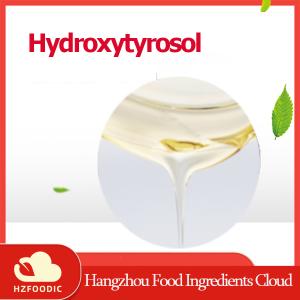
Time:2025-06-20As a functional active component in olive extracts, hydroxytyrosol exhibits diverse application values in functional fortification of tea and juice beverages, owing to its antioxidant, anti-inflammatory, and physiological regulatory properties. The application logic and technical pathways in the beverage industry are analyzed as follows:
I. Core Functional Properties and Adaptability of Hydroxytyrosol
1. Technical Basis of Strong Antioxidant Activity
Hydroxytyrosol's antioxidant capacity (ORAC value ~17,000 μmol/g) originates from its ortho-diphenolic hydroxyl groups, which scavenge reactive oxygen species (ROS) like superoxide anions and hydroxyl radicals, inhibiting lipid peroxidation. This property protects natural components (e.g., tea polyphenols, vitamin C) in oxidizable tea and juice systems while enabling "antioxidant" functional claims, aligning with consumers' demand for "natural anti-aging" health benefits.
2. Functional Anchor of Physiological Activity
Studies show that daily intake of 5 mg hydroxytyrosol exerts cardiovascular protection (inhibits LDL oxidation), anti-inflammatory effects (reduces C-reactive protein levels), and cellular protection. In beverage formulation, precise dosage design (e.g., 10–15 mg per bottle) integrates functional 诉求 with taste, meeting the market positioning of functional drinks.
II. Application Scenarios and Technical Challenges in Tea Beverages
1. Development of Functional Tea Bases
Formulation Innovation for Antioxidant Tea Drinks: Adding hydroxytyrosol to green tea or oolong tea synergizes with tea polyphenols to enhance the antioxidant system. For example, EGCG in green tea and hydroxytyrosol form a "phenolic synergistic network," increasing free radical scavenging rate by 30%–50% compared to single components, while delaying browning during storage (inhibits polyphenol oxidase activity).
Functional Enhancement of Herbal Teas: In categories like dandelion tea or honeysuckle tea (positioned as "heat-clearing"), hydroxytyrosol reinforces anti-inflammatory properties by inhibiting the NF-κB inflammatory pathway. Clinical studies show herbal teas with hydroxytyrosol reduce serum IL-6 levels by 15%–20%, suitable for consumption scenarios like "post-stay-up repair" or "heat-toxin regulation."
2. Technical Adaptation and Flavor Balance
Solubility and Stability Optimization: Hydroxytyrosol is water-soluble (solubility ~10 g/L), but in acidic tea (pH 4.0–5.5), chelation with metal ions (e.g., Fe³⁺) should be managed by adding citric acid (0.1%–0.2%) to regulate complex formation and prevent precipitation. Its good thermal stability (retention rate >85% after 121℃ sterilization for 30 min) suits UHT processing.
Flavor Masking and Synergy: Hydroxytyrosol has a slight bitterness (threshold ~0.05 mmol/L), which can be neutralized in tea by blending natural sweeteners like dipotassium glycyrrhizinate (0.01%) or steviol glycoside (0.005%), or balanced by the astringency of tea polyphenols to avoid abrupt bitterness.
III. Application Strategies and Functional Extension in Fruit Juices
1. Functional Upgrading of Antioxidant Juices
Color Protection and Freshness Preservation for Oxidation-Sensitive Juices: Adding hydroxytyrosol (5–10 mg/L) to fresh apple or grape juice inhibits vitamin C degradation (retention rate +20% during storage) and delays pulp browning (polyphenol oxidase inhibition rate >40%). In pomegranate juice, hydroxytyrosol forms a conjugate system with anthocyanins, enhancing antioxidant capacity by 1.5 times compared to pomegranate polyphenols alone, extending shelf life from 21 to 35 days.
Formulation Design of Functional Compound Juices: When combined with vitamin C-rich ingredients like acerola or acai berry, hydroxytyrosol regenerates vitamin C radicals to enhance antioxidant cycling. Clinical data show compound juices with hydroxytyrosol increase plasma antioxidant capacity (FRAP value) by 25% within 2 hours of consumption, targeting niches like "post-workout recovery" or "beauty care."
2. Formulation Innovation and Nutritional Targeting
Application of Microencapsulation Technology: To address potential esterification with organic acids in acidic juices (pH 3.0–3.5), hydroxytyrosol can be microencapsulated with β-cyclodextrin (1:5 embedding ratio), achieving >90% encapsulation rate for improved stability and intestinal targeted release, avoiding gastric acid degradation.
Functional Compensation in Low-Sugar Juices: In low-sugar apple juice (sugar content <5 g/100 mL), hydroxytyrosol compensates for taste thinness from reduced sugar. Its bitterness balances with malic acid's sourness to create a "refreshing-mildly bitter" profile, while offering dual selling points of "low-calorie + antioxidant," aligning with the sugar-reduction trend.
IV. Application Standards and Market Trends in Beverage Industry
Dosage Specifications and Functional Claims
The EU EFSA approves hydroxytyrosol for health claims of "helping protect normal vascular endothelial cell function," recommending daily intake ≥5 mg. In China, it is commonly described as "antioxidant" or "natural active ingredient," with addition levels controlled at 10–20 mg per 500 mL bottle to balance efficacy and cost.
Clean Label and Process Integration: Hydroxytyrosol can be added via olive leaf water extract (purity ≥10%) to meet "natural origin" clean label requirements, avoiding controversies over synthetic ingredients. Combined with high-pressure processing (HPP) for cold-pressed juices, low-temperature conditions preserve its activity (loss rate <5%), fitting high-end functional beverage positioning.
V. Potential Challenges and Solutions
Cost Control and Source Expansion
Currently extracted mainly from olive pomace, hydroxytyrosol has high costs (98% purity raw material ~2,000 CNY/kg). Solutions include developing olive leaf extracts (cost -30%) or adopting biosynthesis (e.g., tyrosine conversion via yeast fermentation) to optimize the supply chain.
Consumer Education and Market Cultivation: With low awareness in Asian markets, marketing strategies like "olive active ingredients" or "antioxidant black technology," combined with clinical data (e.g., "15 mg hydroxytyrosol per bottle = antioxidant power of 5 fresh olives"), are needed to enhance consumer recognition and drive transformation from functional raw material to consumer-grade products.
The application of hydroxytyrosol in tea and juice essentially integrates the functional attributes of natural active ingredients with beverage taste carriers. Through antioxidant synergy, functional targeting, and process innovation, it not only enhances product technical value but also aligns with the "functional + natural" beverage trend, providing end-to-end solutions from raw material innovation to market positioning. With cost optimization and growing consumer awareness, it is poised to become a core active ingredient in functional beverages.