

 CN
CN
The Application of hydroxytyrosol in infant and toddler food
Time:2025-06-25I. Characteristics of Hydroxytyrosol and Background of Infant Food Requirements
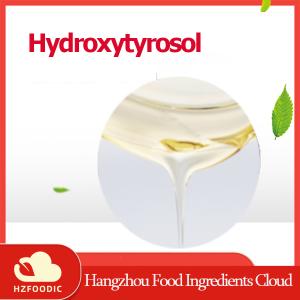
Hydroxytyrosol, a natural polyphenolic compound found in olive oil and other plants, possesses bioactivities such as antioxidation and anti-inflammation. Infant foods have extremely high requirements for ingredient safety, functionality, and sensory characteristics, needing to simultaneously meet standards of nutritional balance, easy absorption, and no potential risks. Currently, safety controversies of synthetic antioxidants (e.g., BHT, BHA) in infant food formulas have promoted the development of natural ingredients. The natural properties and bioactivities of hydroxytyrosol make it a potential functional additive, but systematic evaluation is required from aspects such as toxicology, metabolic mechanisms, and formula adaptability.
II. Safety Assessment: From Toxicological Data to Infant-Specific Risks
Basic Toxicological Data
Animal experiments show that hydroxytyrosol has extremely low acute toxicity (e.g., oral LD₅₀ in rats > 2000 mg/kg bw). In long-term toxicity studies (90-day feeding experiments), no obvious liver/kidney function damage or histopathological changes were observed. The EU EFSA has confirmed its safe dosage threshold as a food additive (daily intake ≤ 1.2 mg/kg bw).
However, metabolic differences between infants and adults are significant: Infant hepatic cytochrome P450 enzyme systems are incompletely developed, and renal excretion functions are weak, potentially leading to accumulation of polyphenol metabolites. For example, the clearance rate of hydroxytyrosol metabolites (e.g., hydroxytyrosol glucuronide) in infants may be lower than in adults, requiring attention to potential risks of long-term exposure.
Intake Assessment and Risk Modeling
Daily food intake for infants is calculated by body weight (approximately 100-200 g/kg bw). If the hydroxytyrosol addition in formulas is 0.01-0.05 g/kg (referencing common dosages in low-fat foods), the daily intake is approximately 1-10 μg/kg bw, far below the safe threshold recommended by EFSA. However, it is necessary to consider intake of natural polyphenols from complementary foods and breast milk/formula (e.g., maternal hydroxytyrosol transferred through breast milk is negligible) to avoid cumulative overdose.
Sensitivity in Special Populations
For premature infants or those with underdeveloped liver function, the antioxidant effect of hydroxytyrosol may interfere with the body's oxidation-antioxidation balance (e.g., inhibiting neutrophil oxidative burst). Although animal experiments have not found immunosuppressive effects, clinical data support is still needed. Additionally, some infants may have intestinal sensitivity to polyphenols (e.g., diarrhea, abdominal distension), requiring control of addition amount and tolerance testing in formulas.
III. Formula Design: Synergistic Optimization of Functionality and Sensory Properties
Functional Positioning and Addition Strategies
Antioxidant Protection: Polyunsaturated fatty acids (e.g., DHA, ARA) in infant foods are prone to oxidative deterioration. Hydroxytyrosol can delay lipid oxidation by scavenging free radicals (e.g., DPPH radical scavenging rate IC₅₀ ≈ 10 μM), with better effects than vitamin E (α-tocopherol). The addition should be done during the raw material mixing stage (e.g., before milk powder spray drying) to ensure thermal stability (hydroxytyrosol decomposition temperature > 200℃, compatible with infant food processing technology).
Nutritional Synergy: Hydroxytyrosol can form an antioxidant network with vitamins C and E, but chelation with minerals (e.g., iron, zinc) may affect absorption. The recommended addition in formulas is ≤ 0.03 g/kg to balance antioxidant efficiency and nutritional compatibility.
Sensory Adaptability Regulation
Hydroxytyrosol itself has a slight bitter taste (threshold ≈ 50 μM), which may affect infant acceptance. Solutions include:
Microencapsulation: Using β-cyclodextrin or whey protein for embedding reduces contact between free phenolic substances and taste receptors, with an embedding rate of over 85%, and release characteristics suitable for the infant intestinal environment (slow release at pH 5.5-7.0).
Flavor Masking: Compounding with natural sweeteners (e.g., fructooligosaccharides) or acidulants (citric acid) to adjust taste. Experiments show that when hydroxytyrosol is compounded with fructooligosaccharides at a 1:5 ratio, the bitterness masking rate exceeds 70% without affecting probiotic (e.g., Bifidobacterium) activity.
Form and Process Adaptability
Liquid Formulas (e.g., baby purees, formula milk): Hydroxytyrosol is soluble in the aqueous phase, but interactions with proteins (e.g., whey protein may bind hydroxytyrosol via hydrogen bonds, reducing antioxidant efficiency) should be noted. It is recommended to add during the homogenization stage and control temperature ≤ 60℃.
Solid Foods (e.g., rice noodles, biscuits): Spray drying or fluidized bed granulation can be used to uniformly disperse hydroxytyrosol, requiring verification of stability during storage (e.g., hydroxytyrosol retention rate ≥ 90% under 6 months, 25℃/60% RH conditions).
IV. Existing Challenges and Future Research Directions
Gaps in Safety Data
Current lack of clinical intervention studies in infants requires randomized controlled trials (RCTs) to verify the impact of long-term intake on growth, development, and gut microbiota, especially metabolic kinetics research in infants under 1 year old.
Difficulties in Standardized Production
High costs of natural hydroxytyrosol extraction (extraction yield from olive oil wastewater ≈ 0.5%) and safety certification needs for synthetic routes (e.g., tyrosine hydroxylation) make industrial application of microbial fermentation (e.g., biosynthesis using engineered bacteria) crucial for cost reduction.
Regulatory and Labeling Specifications
It is necessary to clarify the classification of hydroxytyrosol in infant foods (nutritional fortifier or functional additive) and establish quality control standards for residual solvents (e.g., ethanol residue ≤ 50 ppm in extraction processes) and microbial indicators (total colony count ≤ 100 CFU/g).
The application of hydroxytyrosol in infant foods is theoretically feasible, but its safety and formula adaptability require verification through more rigorous toxicological assessments, clinical data, and process optimization. Future research should focus on infant-specific metabolic mechanisms, large-scale production technologies, and improvement of regulatory frameworks to promote the scientific application of natural polyphenols in the field of infant nutrition.