

 CN
CN
Product Categories
--No product--

News
Exploration of Phospholipid Sources, Purification, and Processing in the Food Industry
Time:2025-11-11
1. Introduction
Phospholipids are amphiphilic compounds widely used in the food industry for their emulsification, dispersion, and texture-enhancing properties. With the growing demand for high-quality and stable food products, research into the sources, extraction, purification, and processing of phospholipids has become increasingly important. Efficient production of high-purity phospholipids provides a reliable foundation for modern food formulation and industrial applications.
2. Major Sources of Phospholipids
Phospholipids in the food industry are primarily derived from plant and animal origins.
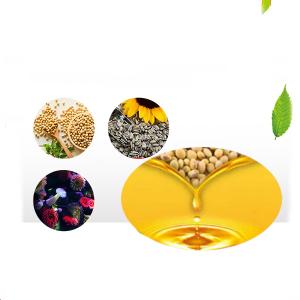
Plant Sources: Oilseed crops such as soybeans, sunflower seeds, and rapeseeds are the most common sources. Soy lecithin, in particular, is widely used due to its high yield, stable composition, and ease of extraction.
Animal Sources: Egg yolk, dairy products, and marine organisms provide phospholipids with specific compositions, such as high phosphatidylcholine content, suitable for premium food applications.
Alternative Sources: Emerging research explores by-products from oil refining, microalgae, and other biomass as potential phospholipid sources to improve resource efficiency and sustainability.
3. Extraction Methods
Phospholipid extraction typically involves solvent-based or physical separation techniques.
Solvent Extraction: Organic solvents such as ethanol, acetone, or hexane are used to isolate phospholipids from oils or biomass. This method achieves high yield but requires solvent removal for food-grade applications.
Membrane Separation: Ultrafiltration or nanofiltration can selectively separate phospholipids from neutral lipids under mild conditions, offering energy-efficient and environmentally friendly alternatives.
Enzymatic Methods: Enzymes can selectively hydrolyze or modify phospholipids, improving extraction efficiency and enabling targeted enrichment of specific components.
4. Purification and Refinement
Crude phospholipids often contain pigments, free fatty acids, and other impurities, necessitating further purification:
Decolorization and Deodorization: Adsorbents such as silica gel or activated clay, as well as distillation, remove color and odor impurities.
Solvent Recrystallization: Differential solubility in various solvents allows separation of high-purity phospholipid fractions.
Chromatography and Supercritical Extraction: Techniques for isolating specific phospholipid types, such as phosphatidylcholine (PC) or phosphatidylethanolamine (PE), with high purity for specialized applications.
5. Processing and Modification Techniques
To enhance the functional properties of phospholipids for food systems, various processing and modification methods are employed:
Hydration and Enzymatic Treatment: Improves flowability, dispersibility, and interaction with other ingredients.
Hydrogenation and Transesterification: Alters fatty acid composition to adapt phospholipids to different processing conditions or thermal stability requirements.
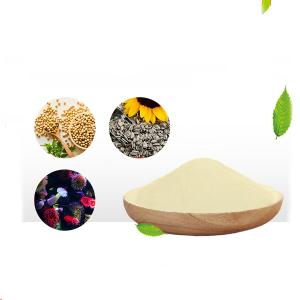
Microencapsulation and Spray Drying: Converts liquid phospholipids into powder form, facilitating storage, handling, and incorporation into instant or dry formulations.
6. Conclusion
Phospholipids are critical components in modern food production, with applications ranging from emulsification to structural stabilization. Research into diverse sources, efficient extraction, purification, and processing techniques continues to enhance the quality, functionality, and sustainability of phospholipid production. Through innovation in these areas, the food industry can develop more reliable and versatile ingredients, supporting the design of high-quality, stable, and functional food products.
Phospholipids are amphiphilic compounds widely used in the food industry for their emulsification, dispersion, and texture-enhancing properties. With the growing demand for high-quality and stable food products, research into the sources, extraction, purification, and processing of phospholipids has become increasingly important. Efficient production of high-purity phospholipids provides a reliable foundation for modern food formulation and industrial applications.
2. Major Sources of Phospholipids
Phospholipids in the food industry are primarily derived from plant and animal origins.
Plant Sources: Oilseed crops such as soybeans, sunflower seeds, and rapeseeds are the most common sources. Soy lecithin, in particular, is widely used due to its high yield, stable composition, and ease of extraction.
Animal Sources: Egg yolk, dairy products, and marine organisms provide phospholipids with specific compositions, such as high phosphatidylcholine content, suitable for premium food applications.
Alternative Sources: Emerging research explores by-products from oil refining, microalgae, and other biomass as potential phospholipid sources to improve resource efficiency and sustainability.
3. Extraction Methods
Phospholipid extraction typically involves solvent-based or physical separation techniques.
Solvent Extraction: Organic solvents such as ethanol, acetone, or hexane are used to isolate phospholipids from oils or biomass. This method achieves high yield but requires solvent removal for food-grade applications.
Membrane Separation: Ultrafiltration or nanofiltration can selectively separate phospholipids from neutral lipids under mild conditions, offering energy-efficient and environmentally friendly alternatives.
Enzymatic Methods: Enzymes can selectively hydrolyze or modify phospholipids, improving extraction efficiency and enabling targeted enrichment of specific components.
4. Purification and Refinement
Crude phospholipids often contain pigments, free fatty acids, and other impurities, necessitating further purification:
Decolorization and Deodorization: Adsorbents such as silica gel or activated clay, as well as distillation, remove color and odor impurities.
Solvent Recrystallization: Differential solubility in various solvents allows separation of high-purity phospholipid fractions.
Chromatography and Supercritical Extraction: Techniques for isolating specific phospholipid types, such as phosphatidylcholine (PC) or phosphatidylethanolamine (PE), with high purity for specialized applications.
5. Processing and Modification Techniques
To enhance the functional properties of phospholipids for food systems, various processing and modification methods are employed:
Hydration and Enzymatic Treatment: Improves flowability, dispersibility, and interaction with other ingredients.
Hydrogenation and Transesterification: Alters fatty acid composition to adapt phospholipids to different processing conditions or thermal stability requirements.
Microencapsulation and Spray Drying: Converts liquid phospholipids into powder form, facilitating storage, handling, and incorporation into instant or dry formulations.
6. Conclusion
Phospholipids are critical components in modern food production, with applications ranging from emulsification to structural stabilization. Research into diverse sources, efficient extraction, purification, and processing techniques continues to enhance the quality, functionality, and sustainability of phospholipid production. Through innovation in these areas, the food industry can develop more reliable and versatile ingredients, supporting the design of high-quality, stable, and functional food products.