

 CN
CN
Product Categories
--No product--

News
Emulsification and Stability Performance of Phospholipids in Cosmetic Formulations
Time:2025-11-04
1. Introduction
In modern cosmetic formulations, the stability and texture of emulsions are critical to product quality and consumer experience. Phospholipids, naturally occurring amphiphilic molecules, are widely used as functional ingredients in creams, lotions, serums, and sprays. Their unique molecular structure enables them to act as effective emulsifiers, enhancing both the formation and long-term stability of cosmetic emulsions.
2. Structure and Interface Properties of Phospholipids
Phospholipids consist of a hydrophilic polar head and two hydrophobic fatty acid chains, giving them inherent amphiphilicity. This allows them to spontaneously arrange at the oil-water interface, reducing interfacial tension and stabilizing dispersed droplets. Common cosmetic phospholipids include:
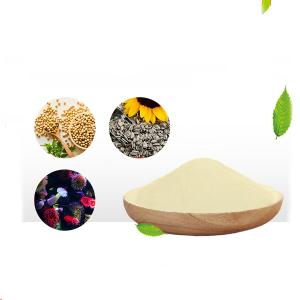
Soy lecithin: natural source with mild emulsifying properties.
Egg lecithin: effective emulsifier for a variety of oil systems.
Hydrogenated phospholipids: enhanced stability and resistance to oxidation, suitable for long-term storage products.
3. Mechanisms of Action in Emulsions
Reduction of interfacial tension: Phospholipid molecules adsorb at the oil-water interface, facilitating the formation of fine and uniform droplets.
Formation of bilayer structures: Phospholipids can form organized lamellar structures around droplets, improving mechanical strength and preventing coalescence.
Synergistic emulsification: When combined with other emulsifiers such as glyceryl esters or nonionic surfactants, phospholipids can enhance emulsion stability and texture.
4. Factors Influencing Stability Performance
The stability of phospholipid-based emulsions depends on multiple factors:
pH: Optimal pH preserves phospholipid integrity and interfacial performance.
Temperature: Excessive heat can induce phase transitions or degradation of phospholipids.
Ionic strength: High salt concentrations may disrupt electrostatic interactions, leading to droplet aggregation.
Compatibility with other ingredients: Interaction with oils, thickeners, and active components can affect emulsification efficiency and product stability.
5. Application in Cosmetic Systems
Oil-in-water (O/W) emulsions: Phospholipids stabilize dispersed oil droplets, creating light and smooth textures.
Water-in-oil (W/O) emulsions: Phospholipids act as co-emulsifiers, enhancing droplet integrity and water resistance.
Serums and gel-based formulations: Phospholipid lamellar structures improve microstructural stability and rheological properties.
6. Formulation and Process Optimization
To achieve stable emulsions, formulators often optimize phospholipid type, concentration, and combination with other emulsifiers:
Blend design: Combining different phospholipids or pairing with nonionic emulsifiers balances droplet size and stability.
Process conditions: Controlling addition order, temperature, and homogenization improves droplet uniformity.
Advanced systems: Phospholipid-based liquid crystals or nanoemulsions leverage self-assembly to enhance stability and product feel.
7. Conclusion
Phospholipids are key functional ingredients in cosmetic formulations, providing efficient emulsification and improved emulsion stability. Through careful selection of phospholipid type, formulation design, and process optimization, cosmetic products can achieve consistent texture, long-term stability, and desirable sensory properties. The versatility and natural origin of phospholipids make them valuable components in modern, high-performance cosmetic systems.
In modern cosmetic formulations, the stability and texture of emulsions are critical to product quality and consumer experience. Phospholipids, naturally occurring amphiphilic molecules, are widely used as functional ingredients in creams, lotions, serums, and sprays. Their unique molecular structure enables them to act as effective emulsifiers, enhancing both the formation and long-term stability of cosmetic emulsions.
2. Structure and Interface Properties of Phospholipids
Phospholipids consist of a hydrophilic polar head and two hydrophobic fatty acid chains, giving them inherent amphiphilicity. This allows them to spontaneously arrange at the oil-water interface, reducing interfacial tension and stabilizing dispersed droplets. Common cosmetic phospholipids include:
Soy lecithin: natural source with mild emulsifying properties.
Egg lecithin: effective emulsifier for a variety of oil systems.
Hydrogenated phospholipids: enhanced stability and resistance to oxidation, suitable for long-term storage products.
3. Mechanisms of Action in Emulsions
Reduction of interfacial tension: Phospholipid molecules adsorb at the oil-water interface, facilitating the formation of fine and uniform droplets.
Formation of bilayer structures: Phospholipids can form organized lamellar structures around droplets, improving mechanical strength and preventing coalescence.
Synergistic emulsification: When combined with other emulsifiers such as glyceryl esters or nonionic surfactants, phospholipids can enhance emulsion stability and texture.
4. Factors Influencing Stability Performance
The stability of phospholipid-based emulsions depends on multiple factors:
pH: Optimal pH preserves phospholipid integrity and interfacial performance.
Temperature: Excessive heat can induce phase transitions or degradation of phospholipids.
Ionic strength: High salt concentrations may disrupt electrostatic interactions, leading to droplet aggregation.
Compatibility with other ingredients: Interaction with oils, thickeners, and active components can affect emulsification efficiency and product stability.
5. Application in Cosmetic Systems
Oil-in-water (O/W) emulsions: Phospholipids stabilize dispersed oil droplets, creating light and smooth textures.
Water-in-oil (W/O) emulsions: Phospholipids act as co-emulsifiers, enhancing droplet integrity and water resistance.
Serums and gel-based formulations: Phospholipid lamellar structures improve microstructural stability and rheological properties.
6. Formulation and Process Optimization
To achieve stable emulsions, formulators often optimize phospholipid type, concentration, and combination with other emulsifiers:
Blend design: Combining different phospholipids or pairing with nonionic emulsifiers balances droplet size and stability.
Process conditions: Controlling addition order, temperature, and homogenization improves droplet uniformity.
Advanced systems: Phospholipid-based liquid crystals or nanoemulsions leverage self-assembly to enhance stability and product feel.
7. Conclusion
Phospholipids are key functional ingredients in cosmetic formulations, providing efficient emulsification and improved emulsion stability. Through careful selection of phospholipid type, formulation design, and process optimization, cosmetic products can achieve consistent texture, long-term stability, and desirable sensory properties. The versatility and natural origin of phospholipids make them valuable components in modern, high-performance cosmetic systems.