

 CN
CN



The anti-inflammatory effect of hydroxytyrosol
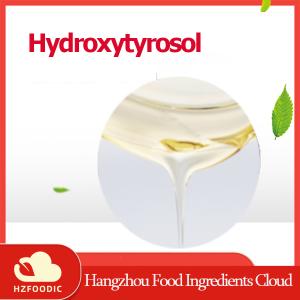
Time:2025-05-26Hydroxytyrosol (HT), a key bioactive olive polyphenol, has demonstrated anti-inflammatory properties in various inflammatory models, intricately linked to its precise regulation of the NF-κB signaling pathway and inflammatory cytokine networks. From molecular mechanisms to cellular/animal model research, HT blocks inflammatory cascades through multi-target intervention, showcasing unique anti-inflammatory characteristics. The following is a systematic analysis:
I. NF-κB Signaling Pathway: Core Hub of Inflammation and Intervention Nodes of HT
1. Activation Mechanism of NF-κB and Its Inflammatory Association
NF-κB (nuclear factor κB) typically exists as a p50/p65 heterodimer bound to the inhibitory protein IκBα in an inactive cytoplasmic state. Upon stimulation by lipopolysaccharide (LPS), pro-inflammatory factors (e.g., TNF-α), or oxidative stress, the IκB kinase (IKK) complex is activated, phosphorylating IκBα for degradation. Released NF-κB translocates to the nucleus to initiate transcription of target genes (e.g., iNOS, COX-2, TNF-α, IL-1β), driving inflammation. Sustained NF-κB activation is a key pathological basis in chronic inflammatory diseases (e.g., neurodegenerative diseases, atherosclerosis).
2. Multi-Stage Inhibition of NF-κB Pathway by HT
Upstream signal blockade: In LPS-induced RAW 264.7 macrophage models, HT (10–20 μM) inhibits phosphorylation of Toll-like receptor 4 (TLR4) and its binding to myeloid differentiation factor 88 (MyD88), blocking activation of the TLR4/MyD88/NF-κB axis and reducing downstream inflammatory factor release.
IKK complex inhibition: Hydroxytyrosol directly binds to the ATP-binding site of IKKβ subunit (IC₅₀≈5 μM), inhibiting its kinase activity and blocking phosphorylation/degradation of IκBα, thus maintaining NF-κB in an inactive cytoplasmic state.
Nuclear translocation and DNA binding inhibition: HT reduces the nuclear translocation efficiency of NF-κB p65 subunit. By inhibiting Ser536 phosphorylation of p65 (which promotes DNA binding), it decreases p65 binding to κB response elements in target gene promoters, suppressing inflammatory gene transcription.
II. Regulation of Inflammatory Cytokine Networks: Reshaping Balance from Pro-Inflammatory to Anti-Inflammatory
1. Source Inhibition of Pro-Inflammatory Factors
In various cell models, hydroxytyrosol significantly reduces expression and release of pro-inflammatory mediators:
Cytokines: In LPS-stimulated mouse microglia BV2 models, HT (5–10 μM) decreases TNF-α, IL-1β, IL-6 mRNA levels by 50%–70% and protein secretion by 40%–60%.
Chemokines: Suppresses monocyte chemoattractant protein-1 (MCP-1) and macrophage inflammatory protein-1α (MIP-1α) to reduce inflammatory cell recruitment.
Enzymatic mediators: Downregulates iNOS and cyclooxygenase-2 (COX-2), decreasing NO and prostaglandin E₂ (PGE₂) production, with iNOS inhibition being particularly critical in neuroinflammatory models (e.g., reducing neurotoxicity from excessive microglial activation).
2. Synergistic Enhancement of Anti-Inflammatory Factors
HT upregulates anti-inflammatory cytokines like IL-10, inhibiting pro-inflammatory responses via paracrine mechanisms. In THP-1 macrophage models, HT treatment increases IL-10 secretion by 2–3 fold. IL-10 feedback-inhibits NF-κB activity via the JAK/STAT pathway, forming an "anti-inflammatory positive feedback." Additionally, HT promotes transforming growth factor-β (TGF-β) release to synergistically suppress inflammatory cell activation.
III. Cross-Regulation of Oxidative Stress-Inflammation: Dual Intervention Advantages of HT
1. Blocking the ROS-NF-κB Vicious Cycle
Oxidative stress and inflammation often form a "positive feedback": ROS activate IKK or directly oxidize cysteine residues in NF-κB p65 to promote its activation, while NF-κB activation upregulates ROS-generating enzymes like NADPH oxidase. HT’s strong antioxidant properties (e.g., scavenging ・OH, O₂・⁻) directly reduce intracellular ROS levels, weakening its activation of NF-κB. In H₂O₂-induced inflammatory models of human umbilical vein endothelial cells, HT pretreatment reduces ROS levels by 60% and inhibits NF-κB activity by 75%, confirming its blockade of the "oxidation-inflammation" cross-pathway.
2. Regulation of Mitochondrial Redox Status
Mitochondria are a major source of ROS, and their dysfunction can activate NF-κB via mitochondrial-associated pattern molecules (MAMPs). HT improves mitochondrial function through:
Maintaining mitochondrial membrane potential: In LPS-stimulated cardiomyocytes, HT inhibits mitochondrial permeability transition pore (mPTP) opening, reduces cytochrome C release, and decreases mitochondrial ROS production.
Regulating mitophagy: Activates the AMPK/mTOR pathway to promote clearance of damaged mitochondria, reducing inflammatory signals triggered by mitochondrial DNA (mtDNA) release (e.g., cGAS-STING pathway activation).
IV. Anti-Inflammatory Validation in Animal Models: Translation from Mechanism to Function
1. Neuroinflammation Models
In MPTP-induced Parkinson’s disease mouse models, hydroxytyrosol (100 mg/kg/d gavage) reduces microglial (Iba-1⁺ cell) activation in the substantia nigra by 40%, decreases TNF-α and IL-1β levels by 30%–40%, and improves dopaminergic neuron survival. The mechanism is closely related to inhibiting nuclear translocation of NF-κB p65 in the substantia nigra, with immunohistochemistry showing a ~50% reduction in p65 nuclear-positive cells in the HT-treated group.
2. Systemic Inflammation Models
In LPS-induced mouse endotoxemia models, hydroxytyrosol (20 mg/kg intraperitoneal injection) significantly reduces serum TNF-α, IL-6 levels, and increases 72-hour survival rate from 30% to 70%. Further studies show HT inhibits expression of NF-κB target genes in organs like the liver and lung, and alleviates tissue pathological damage (e.g., pulmonary interstitial edema, hepatocyte necrosis).
3. Intestinal Inflammation Models
In dextran sulfate sodium (DSS)-induced colitis mice, hydroxytyrosol inhibits NF-κB activity in intestinal epithelial cells, reduces IL-1β and MCP-1 release, promotes tight junction protein (e.g., ZO-1) expression, repairs the intestinal mucosal barrier, and decreases the disease activity index (DAI) by >50%.
V. Synergistic Effects with Other Anti-Inflammatory Components and Clinical Potential
Combining hydroxytyrosol with other natural anti-inflammatory components (e.g., curcumin, resveratrol) produces synergistic effects. In RAW 264.7 cells, the combined use of HT (5 μM) and curcumin (10 μM) inhibits NF-κB activity by 82%, significantly higher than single-agent groups (55% and 60%), possibly via multi-target blockade of MAPK and NF-κB pathways.
Although clinical anti-inflammatory research on hydroxytyrosol is still in its early stages (e.g., Phase II clinical trial for non-alcoholic steatohepatitis), its natural source, low toxicity, and multi-pathway regulatory properties endow it with potential applications in chronic inflammation-related diseases (e.g., neurodegenerative diseases, metabolic syndrome). Future research should further explore its pharmacokinetic characteristics and optimal anti-inflammatory dosage in humans, while developing targeted delivery systems to enhance local efficacy (e.g., intranasal administration for brain inflammation).
VI. Conclusion
The anti-inflammatory effects of hydroxytyrosol center on the NF-κB signaling pathway, demonstrating broad-spectrum anti-inflammatory effects in cellular and animal models by inhibiting its activation, blocking inflammatory cytokine networks, and intervening in oxidative stress-inflammation cross-pathways. The multi-target nature of its mechanisms distinguishes it from traditional non-steroidal anti-inflammatory drugs (NSAIDs), avoiding side effects like gastrointestinal injury, and providing a new candidate molecule for the prevention and treatment of chronic inflammatory diseases.