

 CN
CN
Product Categories
--No product--



News
Application Trends of Phospholipids in the Emerging Health Food Industry
Time:2025-11-14
1. Introduction
With the increasing consumer focus on health and wellness, the health food industry has been undergoing rapid transformation. Phospholipids, as naturally derived amphiphilic molecules, are gaining prominence in this sector due to their functional versatility, compatibility with various food matrices, and processing adaptability. Their role in product development, formulation design, and ingredient innovation positions them as a key component in the evolving health food value chain.
2. Raw Material Sources and Industrial Foundations
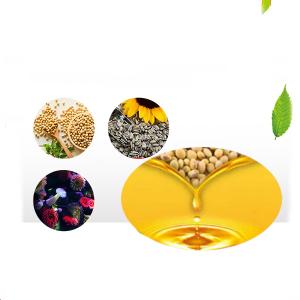
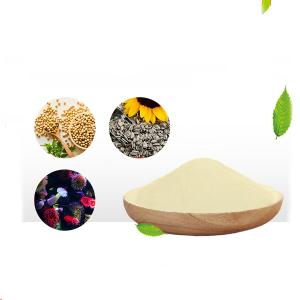
Phospholipids are primarily derived from soybeans, egg yolks, sunflower seeds, rapeseed, and microbial fermentation. Advances in green extraction and fractionation technologies have improved the efficiency and purity of phospholipid production. In particular, the use of by-products from oil processing and microbial synthesis has strengthened the sustainability and cost-effectiveness of phospholipid supply, laying a solid foundation for their integration into health food formulations.
3. Applications in Health Food Formulations
In emerging health food products, phospholipids serve multiple roles:
Emulsion and dispersion systems: Stabilizing oil-water interfaces in beverages, sauces, and dressings.
Powder and solid formulations: Enhancing wettability and dispersibility in instant powders and nutrient blends.
Composite ingredient systems: Working synergistically with proteins, polysaccharides, and lipids to improve structural and processing properties.
Delivery systems for bioactive compounds: Supporting microencapsulation, liposome, and nanoemulsion structures in functional foods.
These applications highlight phospholipids’ adaptability from simple emulsifiers to multifunctional formulation components.
4. Integration with Processing Technologies
Modern processing technologies enhance the functionality of phospholipids in health foods:
High-pressure homogenization and ultrasonic emulsification improve droplet size uniformity and interface stability.
Spray-drying and freeze-drying facilitate the production of stable powder forms for beverages and supplements.
Nanoemulsion and microencapsulation techniques allow for precise delivery of bioactive nutrients.
Automated ingredient dosing systems enable consistent and optimized phospholipid use in industrial production.
The synergy between processing innovations and phospholipid properties enables the creation of stable, high-quality health food products.
5. Industry Chain Extension and Collaborative Development
Phospholipid applications are expanding across the health food industry chain:
Upstream: Optimized extraction, fractionation, and modification processes increase raw material efficiency.
Midstream: Development of functional emulsifier blends, structured lipids, and delivery matrices.
Downstream: Incorporation into plant-based foods, meal replacements, functional beverages, and nutritionally enhanced products.
Cross-industry collaboration with biotechnology, nutrition, and food engineering sectors is accelerating the development of innovative phospholipid-based solutions.
6. Sustainability and Green Development
Sustainable production is a growing trend in the health food industry. Phospholipid sourcing is increasingly focusing on renewable plant materials, environmentally friendly extraction methods, and recycling of by-products. Circular production models that utilize agricultural residues and fermentation waste are emerging, reducing resource consumption and supporting eco-friendly health food manufacturing.
7. Conclusion
Phospholipids are becoming a strategic ingredient in the emerging health food industry. From raw material sourcing to processing technologies and product applications, their versatility supports innovation across the entire value chain. As consumer demand for natural, functional, and sustainable foods grows, phospholipid-based systems are expected to play an increasingly prominent role in shaping the future of health food products.
With the increasing consumer focus on health and wellness, the health food industry has been undergoing rapid transformation. Phospholipids, as naturally derived amphiphilic molecules, are gaining prominence in this sector due to their functional versatility, compatibility with various food matrices, and processing adaptability. Their role in product development, formulation design, and ingredient innovation positions them as a key component in the evolving health food value chain.
2. Raw Material Sources and Industrial Foundations
Phospholipids are primarily derived from soybeans, egg yolks, sunflower seeds, rapeseed, and microbial fermentation. Advances in green extraction and fractionation technologies have improved the efficiency and purity of phospholipid production. In particular, the use of by-products from oil processing and microbial synthesis has strengthened the sustainability and cost-effectiveness of phospholipid supply, laying a solid foundation for their integration into health food formulations.
3. Applications in Health Food Formulations
In emerging health food products, phospholipids serve multiple roles:
Emulsion and dispersion systems: Stabilizing oil-water interfaces in beverages, sauces, and dressings.
Powder and solid formulations: Enhancing wettability and dispersibility in instant powders and nutrient blends.
Composite ingredient systems: Working synergistically with proteins, polysaccharides, and lipids to improve structural and processing properties.
Delivery systems for bioactive compounds: Supporting microencapsulation, liposome, and nanoemulsion structures in functional foods.
These applications highlight phospholipids’ adaptability from simple emulsifiers to multifunctional formulation components.
4. Integration with Processing Technologies
Modern processing technologies enhance the functionality of phospholipids in health foods:
High-pressure homogenization and ultrasonic emulsification improve droplet size uniformity and interface stability.
Spray-drying and freeze-drying facilitate the production of stable powder forms for beverages and supplements.
Nanoemulsion and microencapsulation techniques allow for precise delivery of bioactive nutrients.
Automated ingredient dosing systems enable consistent and optimized phospholipid use in industrial production.
The synergy between processing innovations and phospholipid properties enables the creation of stable, high-quality health food products.
5. Industry Chain Extension and Collaborative Development
Phospholipid applications are expanding across the health food industry chain:
Upstream: Optimized extraction, fractionation, and modification processes increase raw material efficiency.
Midstream: Development of functional emulsifier blends, structured lipids, and delivery matrices.
Downstream: Incorporation into plant-based foods, meal replacements, functional beverages, and nutritionally enhanced products.
Cross-industry collaboration with biotechnology, nutrition, and food engineering sectors is accelerating the development of innovative phospholipid-based solutions.
6. Sustainability and Green Development
Sustainable production is a growing trend in the health food industry. Phospholipid sourcing is increasingly focusing on renewable plant materials, environmentally friendly extraction methods, and recycling of by-products. Circular production models that utilize agricultural residues and fermentation waste are emerging, reducing resource consumption and supporting eco-friendly health food manufacturing.
7. Conclusion
Phospholipids are becoming a strategic ingredient in the emerging health food industry. From raw material sourcing to processing technologies and product applications, their versatility supports innovation across the entire value chain. As consumer demand for natural, functional, and sustainable foods grows, phospholipid-based systems are expected to play an increasingly prominent role in shaping the future of health food products.