

 CN
CN
Product Categories
--No product--




News
Application of Phospholipids in Emulsification Processes
Time:2025-10-13
1. Introduction
Phospholipids are amphiphilic molecules composed of hydrophilic phosphate head groups and hydrophobic fatty acid tails. This dual nature allows them to align at the interface between water and oil, making them highly effective natural emulsifiers. Their role in emulsification processes extends across various fields such as food technology, pharmaceuticals, and cosmetics, where stable and uniform dispersions of immiscible phases are essential.
2. Structural Characteristics Relevant to Emulsification
The molecular structure of phospholipids determines their emulsifying ability. Common types include phosphatidylcholine (PC), phosphatidylethanolamine (PE), and phosphatidylserine (PS). The polar head groups interact with the aqueous phase, while the hydrophobic tails associate with the oil phase. This structural arrangement reduces interfacial tension and facilitates the formation of stable emulsions.
3. Mechanism of Emulsion Formation
During emulsification, phospholipids position themselves at the oil–water interface, forming a protective monolayer around dispersed droplets. This layer acts as a physical and electrostatic barrier to prevent droplet coalescence. The stability of the emulsion depends on factors such as phospholipid concentration, pH, ionic strength, and temperature.
In addition, the orientation and packing density of phospholipid molecules at the interface influence the droplet size distribution and long-term stability of the emulsion.
4. Applications in the Food Industry
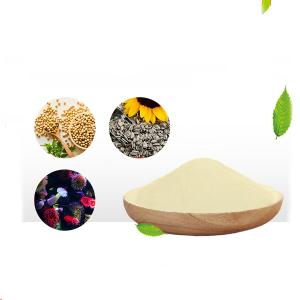
In the food sector, phospholipids—particularly lecithin derived from soybeans, eggs, or sunflower—are widely used to stabilize emulsified systems like sauces, dressings, chocolate, and margarine. They contribute to consistent texture, improved spreadability, and better dispersion of fat components. Phospholipids also facilitate the incorporation of bioactive compounds into oil-in-water systems, enhancing product uniformity and appearance.
5. Applications in Pharmaceuticals and Cosmetics
Phospholipids serve as natural emulsifiers in pharmaceutical formulations such as creams, ointments, and liposomal drug carriers. Their biocompatibility and structural similarity to biological membranes make them ideal for encapsulation systems and controlled-release applications.
In cosmetics, phospholipid-based emulsions provide smooth texture, enhanced absorption, and improved stability of formulations such as lotions and serums.
6. Factors Affecting Emulsion Stability
Several parameters influence the performance of phospholipids in emulsification:
Hydration state: Determines the molecular arrangement and interfacial behavior.
Fatty acid composition: Affects the flexibility and packing density at the interface.
Temperature: Impacts phase transitions and emulsification efficiency.
Presence of co-surfactants: May synergistically improve emulsion stability.
Understanding these factors allows formulators to fine-tune emulsification processes for desired texture and shelf-life.
7. Technological and Research Perspectives
Advances in nanoemulsion and microencapsulation technologies have expanded the application range of phospholipids. Techniques such as high-pressure homogenization and ultrasonic emulsification enable the production of fine and uniform emulsions with enhanced physical stability. Ongoing research focuses on optimizing phospholipid sources, modifying molecular structures, and integrating them with other natural emulsifiers for sustainable and multifunctional formulations.
8. Conclusion
Phospholipids play a central role in emulsification due to their amphiphilic nature and interfacial activity. Their ability to create stable, biocompatible, and versatile emulsions makes them indispensable in food, pharmaceutical, and cosmetic industries. Future developments in phospholipid-based emulsification will continue to emphasize natural origin, functional adaptability, and environmental sustainability.
Phospholipids are amphiphilic molecules composed of hydrophilic phosphate head groups and hydrophobic fatty acid tails. This dual nature allows them to align at the interface between water and oil, making them highly effective natural emulsifiers. Their role in emulsification processes extends across various fields such as food technology, pharmaceuticals, and cosmetics, where stable and uniform dispersions of immiscible phases are essential.
2. Structural Characteristics Relevant to Emulsification
The molecular structure of phospholipids determines their emulsifying ability. Common types include phosphatidylcholine (PC), phosphatidylethanolamine (PE), and phosphatidylserine (PS). The polar head groups interact with the aqueous phase, while the hydrophobic tails associate with the oil phase. This structural arrangement reduces interfacial tension and facilitates the formation of stable emulsions.
3. Mechanism of Emulsion Formation
During emulsification, phospholipids position themselves at the oil–water interface, forming a protective monolayer around dispersed droplets. This layer acts as a physical and electrostatic barrier to prevent droplet coalescence. The stability of the emulsion depends on factors such as phospholipid concentration, pH, ionic strength, and temperature.
In addition, the orientation and packing density of phospholipid molecules at the interface influence the droplet size distribution and long-term stability of the emulsion.
4. Applications in the Food Industry
In the food sector, phospholipids—particularly lecithin derived from soybeans, eggs, or sunflower—are widely used to stabilize emulsified systems like sauces, dressings, chocolate, and margarine. They contribute to consistent texture, improved spreadability, and better dispersion of fat components. Phospholipids also facilitate the incorporation of bioactive compounds into oil-in-water systems, enhancing product uniformity and appearance.
5. Applications in Pharmaceuticals and Cosmetics
Phospholipids serve as natural emulsifiers in pharmaceutical formulations such as creams, ointments, and liposomal drug carriers. Their biocompatibility and structural similarity to biological membranes make them ideal for encapsulation systems and controlled-release applications.
In cosmetics, phospholipid-based emulsions provide smooth texture, enhanced absorption, and improved stability of formulations such as lotions and serums.
6. Factors Affecting Emulsion Stability
Several parameters influence the performance of phospholipids in emulsification:
Hydration state: Determines the molecular arrangement and interfacial behavior.
Fatty acid composition: Affects the flexibility and packing density at the interface.
Temperature: Impacts phase transitions and emulsification efficiency.
Presence of co-surfactants: May synergistically improve emulsion stability.
Understanding these factors allows formulators to fine-tune emulsification processes for desired texture and shelf-life.
7. Technological and Research Perspectives
Advances in nanoemulsion and microencapsulation technologies have expanded the application range of phospholipids. Techniques such as high-pressure homogenization and ultrasonic emulsification enable the production of fine and uniform emulsions with enhanced physical stability. Ongoing research focuses on optimizing phospholipid sources, modifying molecular structures, and integrating them with other natural emulsifiers for sustainable and multifunctional formulations.
8. Conclusion
Phospholipids play a central role in emulsification due to their amphiphilic nature and interfacial activity. Their ability to create stable, biocompatible, and versatile emulsions makes them indispensable in food, pharmaceutical, and cosmetic industries. Future developments in phospholipid-based emulsification will continue to emphasize natural origin, functional adaptability, and environmental sustainability.