

 CN
CN



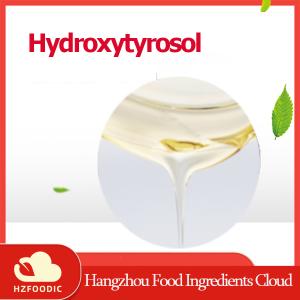
The anti-diabetic effect of hydroxytyrosol
Time:2025-05-28Hydroxytyrosol (HT), a major polyphenolic active component in olive oil and its products, has attracted significant attention due to its strong antioxidant properties and biological activities. In the field of diabetes prevention and treatment, hydroxytyrosol demonstrates unique antidiabetic potential by multi-target regulation of insulin signaling pathways, improvement of oxidative stress and inflammatory damage, and optimization of glucose and lipid metabolism. The following analysis covers its mechanism of action, experimental evidence, and clinical application prospects:
I. Molecular Mechanisms of Hydroxytyrosol in Regulating Insulin Sensitivity
1. Activation of Insulin Signaling Pathway (PI3K/Akt Pathway)
Hydroxytyrosol inhibits serine phosphorylation of insulin receptor substrate-1 (IRS-1) (a process often activated by oxidative stress, leading to obstruction of insulin signaling), promotes tyrosine phosphorylation of IRS-1, and thereby activates phosphatidylinositol 3-kinase (PI3K) and its downstream protein kinase B (Akt). In the 3T3-L1 adipocyte model, hydroxytyrosol (10–20 μM) increases glucose uptake by 25%–35%, and this effect is completely blocked by the PI3K inhibitor LY294002. Additionally, hydroxytyrosol enhances the translocation of glucose transporter 4 (GLUT4) from intracellular vesicles to the cell membrane, directly promoting glucose uptake in muscle and adipose tissues.
2. Improvement of Oxidative Stress- and Inflammation-Mediated Insulin Resistance
In diabetic conditions, excessive reactive oxygen species (ROS) can inhibit insulin signaling by oxidatively modifying cysteine residues of IRS-1. As a strong antioxidant (ORAC value ~17,000 μmol/g), hydroxytyrosol scavenges superoxide anions (O₂⁻) and hydroxyl radicals (・OH), reduces malondialdehyde (MDA) levels, and restores the tyrosine phosphorylation capacity of IRS-1. In a high-fat diet-induced insulin resistance mouse model, hydroxytyrosol intervention (50 mg/kg/d) reduces hepatic ROS levels by 40% and improves the insulin sensitivity index (HOMA-IR) by 30%.
Hydroxytyrosol reduces the release of pro-inflammatory factors such as tumor necrosis factor-α (TNF-α) and interleukin-6 (IL-6) by inhibiting the nuclear factor κB (NF-κB) and JNK pathways. Preclinical studies show that hydroxytyrosol reduces IL-6 levels in adipose tissue by 50%, alleviating the inhibitory effect of inflammation on insulin receptors.
3. Regulation of the AMPK/mTOR Pathway and Energy Metabolism
Hydroxytyrosol activates AMP-activated protein kinase (AMPK), promotes its phosphorylation (at Thr172), thereby inhibits mammalian target of rapamycin (mTOR), reduces hepatic gluconeogenesis (inhibiting the expression of phosphoenolpyruvate carboxykinase PEPCK and glucose-6-phosphatase G6Pase), and promotes glucose uptake and fatty acid oxidation in skeletal muscle. In the HepG2 hepatocyte model, hydroxytyrosol (20 μM) reduces glucose production by 20% and increases AMPK phosphorylation levels by 2-fold.
II. Experimental Evidence and Model Analysis of Glucose Metabolism Regulation
1. In Vitro Cell Model Studies
β-cell protective effect: Hydroxytyrosol (5–10 μM) reduces apoptosis of INS-1 cells induced by high glucose (25 mM) or palmitic acid, increases β-cell viability by 30%–40% by inhibiting caspase-3 activation and maintaining mitochondrial membrane potential. The mechanism is related to the activation of the Nrf2/HO-1 antioxidant pathway and the reduction of endoplasmic reticulum stress (inhibiting the PERK/eIF2α/ATF4 pathway).
Regulation of hepatic glucose metabolism: In primary hepatocytes, hydroxytyrosol downregulates the mRNA expression of key gluconeogenic genes (such as PEPCK and G6Pase) (inhibition rate ~40%), while upregulating the activity of glycogen synthase (GS) to promote hepatic glycogen synthesis.
2. Animal Model Experiments
Type 2 diabetes mouse model: After 12 weeks of high-fat feeding, C57BL/6J mice were given hydroxytyrosol (50 mg/kg/d by gavage) for 8 weeks, which reduced fasting blood glucose from 11.2 mmol/L to 8.5 mmol/L, decreased the area under the glucose tolerance curve (AUC) by 25%, and increased the blood glucose decline rate in the insulin tolerance test (ITT) by 35%. Hepatic histopathology showed that hydroxytyrosol alleviated steatosis and reduced the activity of hepatic glycogenolytic enzymes (such as phosphorylase).
Spontaneous diabetic rat model (Goto-Kakizaki rats): After 12 weeks of hydroxytyrosol intervention (100 mg/kg/d), the glycated hemoglobin (HbA1c) of rats decreased from 8.2% to 6.8%, the expression of GLUT4 protein in skeletal muscle increased by 50%, and the serum free fatty acid (FFA) level decreased by 20%, indicating that its improvement of lipid metabolism disorder may indirectly optimize glucose metabolism.
3. Preclinical and Preliminary Clinical Studies
A double-blind trial involving 20 insulin-resistant subjects showed that after 4 weeks of daily hydroxytyrosol supplementation (50 mg), the subjects' insulin sensitivity index (QUICKI) increased from 0.38 to 0.42 (P < 0.05), and serum C-reactive protein (CRP) decreased by 15%.
Another cohort study on non-alcoholic fatty liver disease (NAFLD) combined with glucose metabolism disorders showed that dietary hydroxytyrosol intake was negatively correlated with fasting blood glucose and insulin resistance (r = -0.32, P < 0.01), and the HOMA-IR of the high-intake group (>10 mg/d) was 28% lower than that of the control group.
III. Synergistic Effects and Potential Advantages of Hydroxytyrosol in Antidiabetic Therapy
1. Combined Regulation of Lipid and Glucose Metabolism
Hydroxytyrosol promotes adipocyte differentiation and adiponectin secretion (adiponectin enhances insulin sensitivity) by activating peroxisome proliferator-activated receptor γ (PPARγ). In high-fat diet mice, hydroxytyrosol increases serum adiponectin levels by 40%, while reducing triglyceride (TG) and low-density lipoprotein cholesterol (LDL-C) levels (by ~15%–20%), and decreasing the toxicity of free fatty acids to β cells (lipotoxicity).
2. Interactive Regulation of Intestinal Microbiota and Metabolism
Recent studies have found that hydroxytyrosol can regulate the composition of intestinal microbiota and increase the abundance of short-chain fatty acid (SCFA)-producing bacteria (such as Akkermansia and Bifidobacterium). SCFAs can promote GLP-1 secretion through GPR43 receptors, enhance insulin release, improve intestinal barrier function, and reduce endotoxin-induced inflammation. In mouse models, hydroxytyrosol intervention doubles the number of intestinal Akkermansia and increases serum GLP-1 levels by 30%.
3. Synergistic Effects with Existing Hypoglycemic Drugs
When combined with metformin, hydroxytyrosol enhances the hypoglycemic effect through different mechanisms: metformin mainly inhibits hepatic glucose output, while hydroxytyrosol improves peripheral insulin sensitivity and β-cell function simultaneously. In cell experiments, the combined use of the two promotes glucose uptake by 15%–20% more than single drugs, and can reduce the intestinal discomfort caused by metformin (possibly related to the intestinal protective effect of hydroxytyrosol).
IV. Challenges and Research Directions in Clinical Application
1. Optimization of Dosage and Bioavailability
Hydroxytyrosol has low oral bioavailability (about 10%–15%), and its natural content in olive oil is limited (usually 1–5 mg/100 g). The effective doses in current studies vary widely (5–100 mg/kg/d in animal experiments, 50–200 mg/d in human trials), and dosage form modification (such as nanoemulsions and liposome encapsulation) is required to improve its stability and intestinal absorption.
2. Long-Term Safety and Population Specificity
Short-term studies (<12 weeks) show that hydroxytyrosol has good safety, but long-term high-dose (>200 mg/d) use may affect coagulation function (inhibiting platelet aggregation) or interfere with mineral absorption (such as inhibiting iron ion transport), so longer-term safety assessments are needed in diabetic patients. In addition, differences in the intestinal microbiota of different individuals may affect the metabolic efficiency of hydroxytyrosol, and future studies need to screen advantageous populations combined with metagenomics.
3. Clinical Validation of Combination Therapy Strategies
The value of combining hydroxytyrosol with new hypoglycemic drugs such as SGLT2 inhibitors and GLP-1 receptor agonists has not been clarified, and randomized controlled trials (RCTs) are needed to verify its actual benefits in blood glucose control and complication prevention (such as diabetic nephropathy and retinopathy).
Conclusion
Hydroxytyrosol exhibits unique advantages in the prevention and treatment of diabetes by improving insulin sensitivity, protecting β-cell function, and optimizing glucose and lipid metabolism through multi-target mechanisms. Basic research has confirmed its regulatory effects on insulin signaling pathways, oxidative stress, and inflammatory networks, and preliminary clinical evidence supports its use as a dietary supplement to assist in improving glucose metabolism. Despite current challenges such as bioavailability optimization and dosage standardization, its natural origin, low toxicity, and multi-system regulatory characteristics make it a promising candidate component in the individualized management of diabetes. In the future, high-quality clinical studies are needed to clarify its suitable populations and combination regimens in different diabetes subtypes, and to promote the transformation of hydroxytyrosol from a functional food to a clinical adjuvant therapy.