

 CN
CN

Analysis of Moisture Absorption in Phospholipids
Time:2025-05-22Phospholipids are amphiphilic molecules widely used in biological systems and industrial applications. Understanding their moisture absorption characteristics is essential for assessing their physical stability, storage conditions, and processing behavior.
Moisture Absorption Properties of Phospholipids
Phospholipids possess polar head groups containing phosphate and other hydrophilic moieties, which have a natural affinity for water molecules. This structural feature enables phospholipids to absorb moisture from the surrounding environment, especially under conditions of high relative humidity.
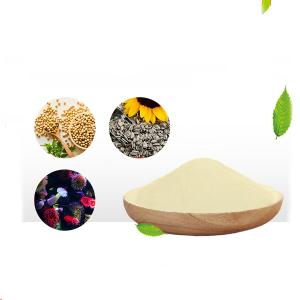
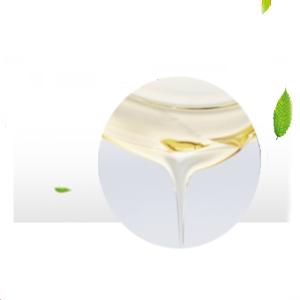
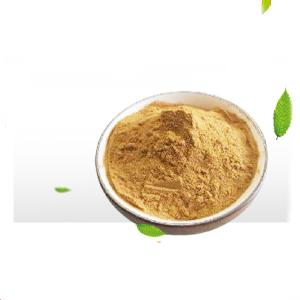
The degree of moisture absorption can vary depending on the type of phospholipid, its physical form (powder, liquid, or liposomal dispersion), and environmental factors such as temperature and humidity levels.
Methods for Measuring Moisture Absorption
Several analytical techniques are commonly employed to study the moisture absorption behavior of phospholipids:
Gravimetric Analysis
Samples are exposed to controlled humidity conditions, and their weight changes are recorded over time to determine the moisture uptake kinetics and equilibrium moisture content.
Dynamic Vapor Sorption (DVS)
This method measures the amount of water vapor absorbed or desorbed by a sample under precisely controlled humidity, providing detailed sorption isotherms.
Thermogravimetric Analysis (TGA)
TGA assesses the loss of absorbed water upon heating, giving insights into the amount and binding strength of moisture within the phospholipid matrix.
Factors Influencing Moisture Absorption
Molecular Structure: Different head groups and fatty acid chains affect the hydrophilicity and thus moisture uptake.
Physical State: Powders typically exhibit higher surface area and greater moisture absorption compared to liquids.
Environmental Conditions: Temperature and relative humidity significantly impact moisture absorption rates and equilibrium.
Significance of Moisture Absorption Analysis
Moisture absorption affects the physical properties of phospholipids, including flowability, aggregation, and chemical stability. Excess moisture can lead to undesirable changes such as caking or hydrolytic degradation. Therefore, controlling and understanding moisture uptake is critical for the proper handling, packaging, and shelf-life determination of phospholipid-containing products.